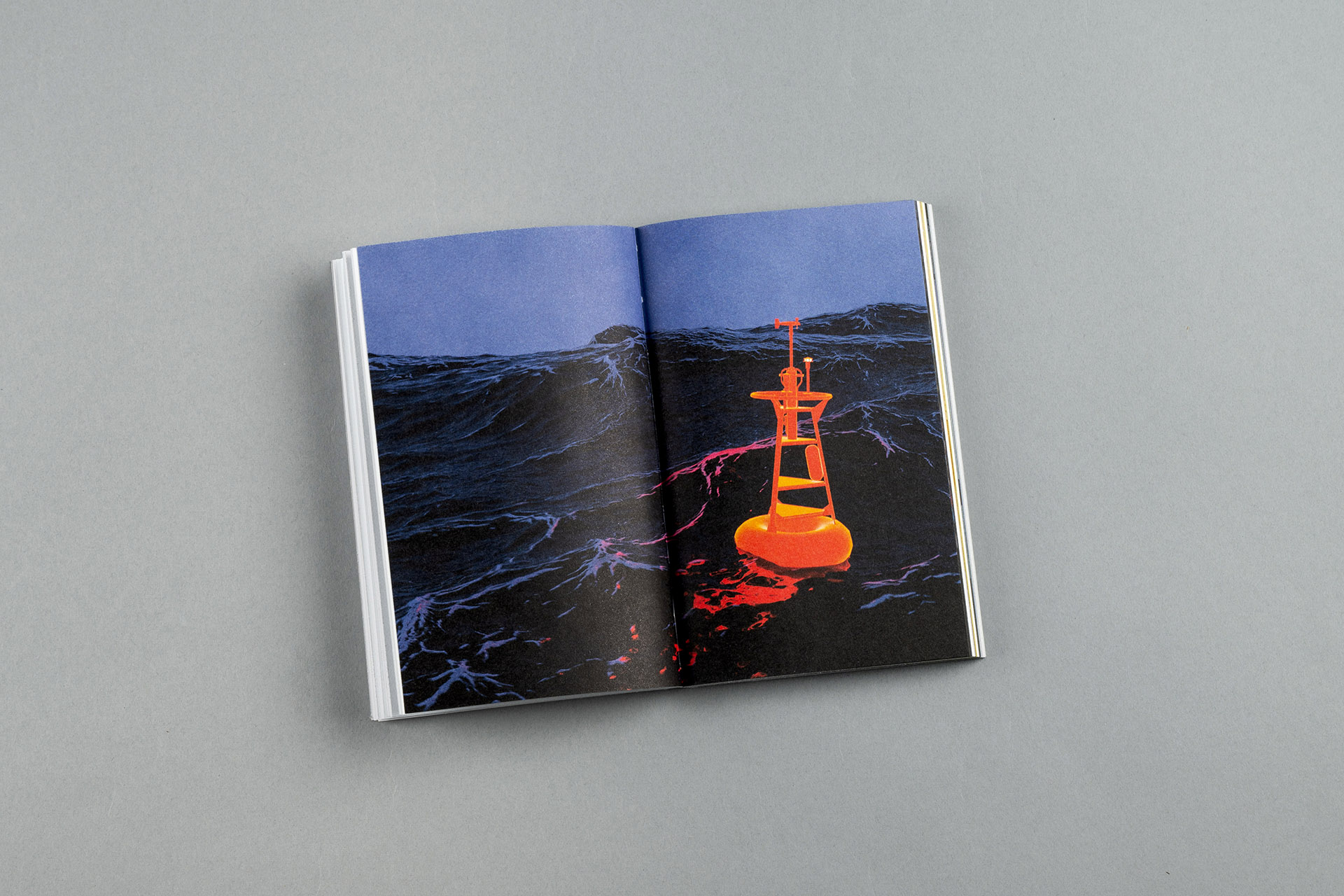
Planet City and the Return of Global Wilderness

Liam Young

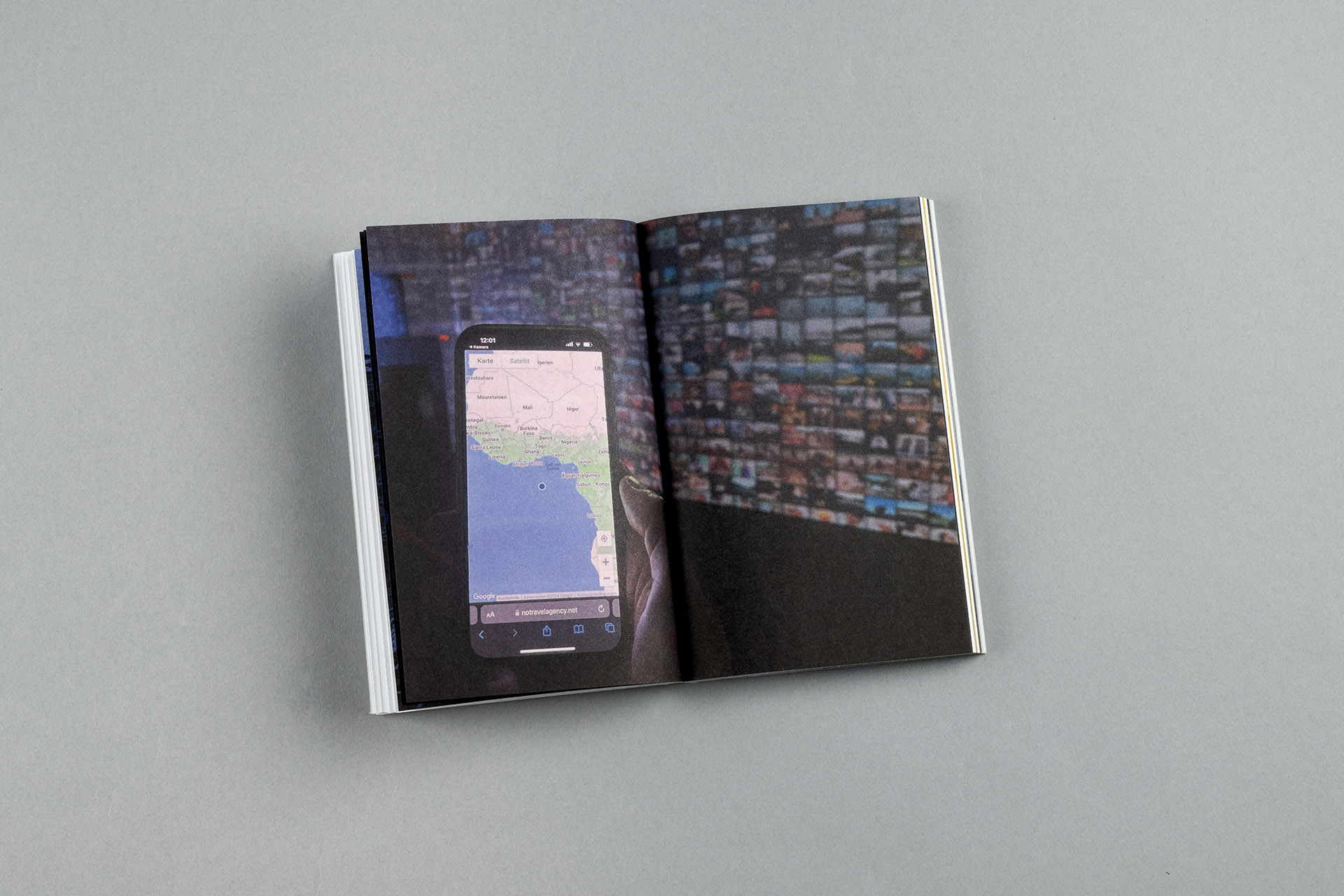
Decolonising Machine Vision: Algorithmic Anxieties and Epistemic Violence

Anthony Downey, Mojca Kumerdej

Being In-Between: Material Intelligence on the Nanoscale

Laura Tripaldi, Špela Petrič

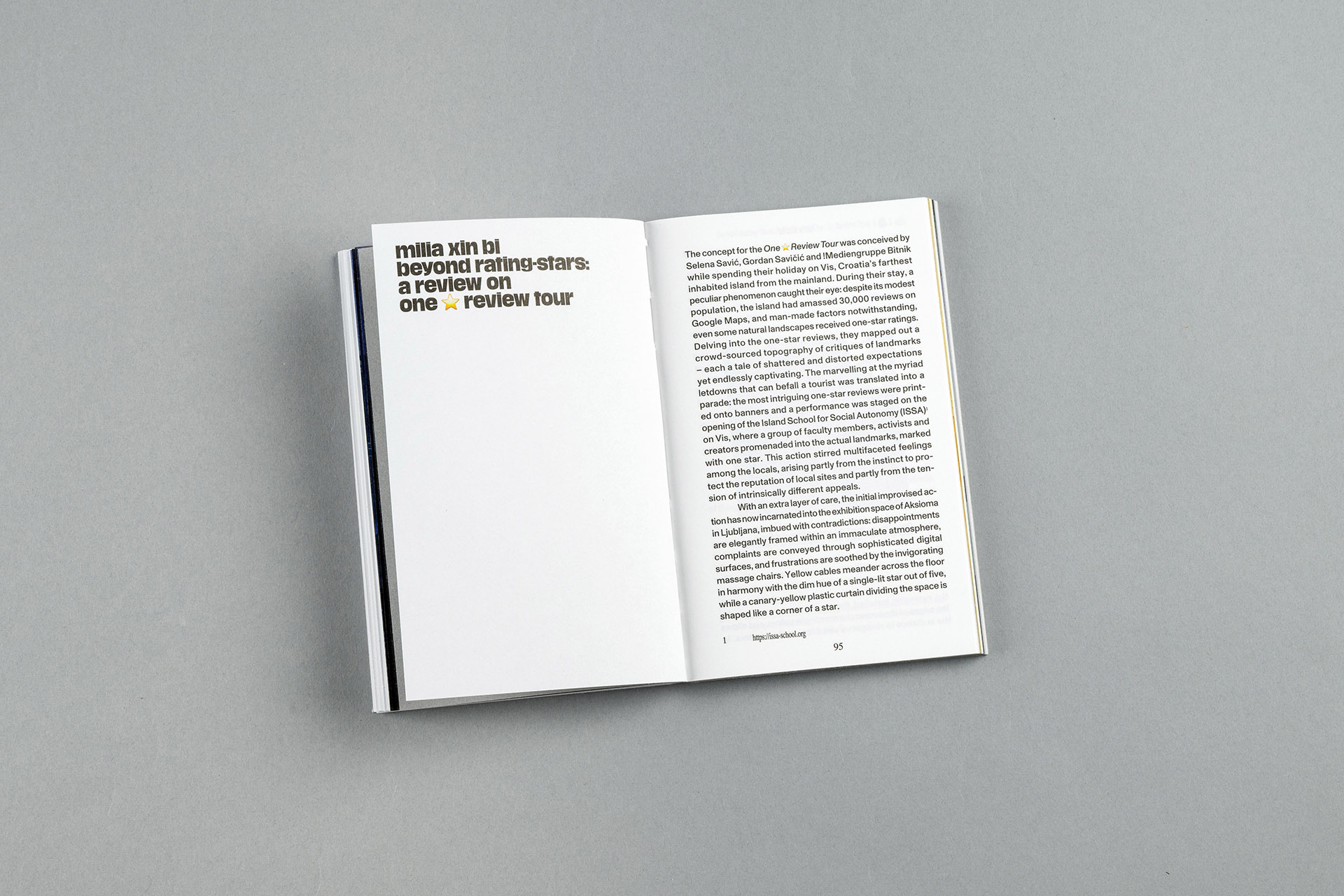
The Optimising Gaze and its Demons

Anna Engelhardt, Mark Cinkevich, Solveig Qu Suess, Nadim Choufi, Su Yu Hsin, Bani Brusadin

    Onset

    Anna Engelhardt, Mark Cinkevich
    Anna Engelhardt, Mark Cinkevich
    Onset

    Exhibition
    7–24 March 2023
    Aksioma | Project Space, Ljubljana

    Part of Tactics & Practice #14: Scale

    This image has an empty alt attribute; its file name is tacticspractice_logo_event_small-2.png

    A demon roams through an ominous synthetic environment, reconstructed from satellite images of Russian air bases: Khmeimim in Syria, Baranovichi in Belarus, and Belbek in Ukraine. This parasitic force pervades the air bases, passing through their deserted corridors, interrogation rooms and electricity substations. Devastation follows in its wake. In this single-channel video installation, Engelhardt and Cinkevich use an unholy alliance of medieval demonology, open-source intelligence and CGI animation to uncover the hidden life of these military outposts. Over the course of the film, the true horror of Russian colonialism becomes manifest in the process of possession – the imposition of external control that gradually destroys an organism from within.

    THE AUTHORS

    Anna Engelhardt is the alias of a media artist, researcher and writer. Her practice examines post-Soviet cyberspace through a decolonial lens, with an overarching aim of dismantling Russian imperialism. These investigations take on multiple forms of media, including video, software and hardware interfaces. Engelhardt also pursues lecturing and publishing to situate digital conflicts within a broader colonial matrix. Her works and activities have been featured at the transmediale festival, Venice Architecture Biennial, Ars Electronica and the Kyiv Biennial, as well as in Digital War and The Funambulist.

    Mark Cinkevich (1994, Lahoysk) is a Belarus-born interdisciplinary researcher and artist based in Warsaw. Having received his master’s degree in Cultural Studies from the University of Helsinki, he now pursues a PhD at the Department of Anthropology, University of Warsaw. In his practice, he is interested in critical, speculative and experimental aspects of art that operate at the intersection of fact and fiction. His work focuses on the post-Soviet infrastructural and social landscape, through which he explores in particular the concepts of nuclear colonialism, infrastructural colonialism, extractivism and monstrosity.

    CREDITS

    Authors: Anna Engelhardt, Mark Cinkevich

    Production of the exhibition:
    Aksioma – Institute for Contemporary Art, Ljubljana, 2023

    Part of the series:
    Tactics & Practice

    Supported by:
    the Ministry of Culture of the Republic of Slovenia and the Municipality of Ljubljana

    The project is a co-commission of transmediale festival, Pro Helvetia foundation, and Henie Onstad Kunstsenter

    RELATED ACTIVITIES

    WORKSHOP

    Investigation as a Medium: Open-Source Intelligence for Artists
    ALUO, Tobačna 5, Ljubljana
    8 March 2023, 2 PM–5 PM

    Investigation as a Medium: Open-Source Intelligence for Artists

    Anna Engelhardt, Mark Cinkevich
    Anna Engelhardt, Mark Cinkevich
    Investigation as a Medium: Open-Source Intelligence for Artists

    Workshop
    8 March 2023, 2–5 PM
    The Academy of Fine Arts and Design, UL, Video, Animation and New Media, Tobačna 5, Ljubljana

    What to bring: a laptop installed with Google Earth Pro


    Part of Tactics & Practice #14: Scale
    In the framework of konSequences realised by konS – Platform for Contemporary Investigative Art


    Since contemporary methods of control and violence are concealed, embedded in vast infrastructural and logistical networks, they can only be confronted with new practices and tools. Elaborating on the making of their essay film Onset, Anna Engelhardt and Mark Cinkevich will break down open-source intelligence (OSINT) tools and ways those techniques could inform an artistic practice. They will also discuss the convergence of fact and fiction, where they will explain how to search for classified information and turn it into something more than just discrete numbers of transmitted megawatts.

    In their practice, Cinkevich and Engelhardt fuse OSINT tools with demonology to scrutinise Russian military strategy. They determine the sequence of events in a manner similar to the reconstruction of a transnational crime scene and thereby inform the parafiction narrative in their work. While primary reliance on open-source data allows them to look at such highly measured and controlled segments as energy and military infrastructures, demonology opens paths for engagements across cases and disciplines, key for an artistic practice.

    After the conceptual overview, the audience will be invited to apply the new investigative method in practice. Attendants will be provided with the GPS coordinates of Russian military infrastructures and will conduct their own investigation in a guided manner.

    THE AUTHORS

    Anna Engelhardt is the alias of a media artist, researcher and writer. Her practice examines post-Soviet cyberspace through a decolonial lens, with an overarching aim of dismantling Russian imperialism. These investigations take on multiple forms of media, including video, software and hardware interfaces. Engelhardt also pursues lecturing and publishing to situate digital conflicts within a broader colonial matrix. Her works and activities have been featured at the transmediale festival, Venice Architecture Biennial, Ars Electronica and the Kyiv Biennial, as well as in Digital War and The Funambulist.

    Mark Cinkevich (1994, Lahoysk) is a Belarus-born interdisciplinary researcher and artist based in Warsaw. Having received his master’s degree in Cultural Studies from the University of Helsinki, he now pursues a PhD at the Department of Anthropology, University of Warsaw. In his practice, he is interested in critical, speculative and experimental aspects of art that operate at the intersection of fact and fiction. His work focuses on the post-Soviet infrastructural and social landscape, through which he explores in particular the concepts of nuclear colonialism, infrastructural colonialism, extractivism and monstrosity.

    CREDITS

    Authors: Anna Engelhardt, Mark Cinkevich

    Production:
    Aksioma – Institute for Contemporary Art, Ljubljana, 2023

    Partner:
    The Academy of Fine Arts and Design, University of Ljubljana

    Part of the series:
    Tactics & Practice

    In the framework of konSequences realised by
    konS – Platform for Contemporary Investigative Art

    The project konS:: Platform for Contemporary Investigative Art was chosen on the public call for the selection of the operations “Network of Investigative Art and Culture Centres”. The investment is co-financed by the Republic of Slovenia and by the European Regional Development Fund of the European Union.

    RELATED ACTIVITIES

    ARTIST TALK

    Anna Engelhardt, Mark Cinkevich
    Infrastructural Horror: Soaring, Sprawling, Vast
    6 March 2023
    Kino Šiška, Ljubljana

    EXHIBITION

    Anna Engelhardt, Mark Cinkevich
    Onset
    7–24 March 2023
    Aksioma | Project Space

    Structures of Belonging · PostScriptUM new issue presentation

    Martin Zeilinger, Penny Rafferty, Felix Stalder

    Structures of Belonging

    Martin Zeilinger

    ► eBROCHURE (PDF)
    ► LIST ON ISSUU

    So far, many of the things we build on and with blockchains have presented themselves as new types of property enclosures. From cryptocurrencies to NFTs, decentralised ledger technology seems mostly dominated by the asset logic of financialisation. But the landscape of blockchain-enabled digital culture is fantastically diverse and can encode much more than a desire for wealth and ownrship. In this short essay, media theory and digital art researcher Martin Zeilinger explores what might become possible – for artists, activists or community organisers – when we reimagine blockchains not as property-oriented infrastructure, but as structures of belonging. Doing so may allow us to develop conceptual frameworks that better account for (dis)continuities between hyper-capitalist tech innovations and their radical alternatives. Decentralised autonomous organisations (DAOs) offer the perfect starting point for thinking about how to mix on- and off-chain technologies in structures of belonging that push beyond fintech legacies and emphasise collaboration, co-ownership and sharing.


    Colophon

    Martin Zeilinger: Structures of Belonging
    PostScriptUM #44
    Series edited by Janez Fakin Janša
    Publisher: Aksioma – Institute for Contemporary Art, Ljubljana
    Represented by: Marcela Okretič
    Proofreading: Miha Šuštar
    Design: Luka Umek
    Layout: Sonja Grdina
    The cover image was generated by the author using Dall-E 2. The prompts were for an image showing a group of friends and their pets using computers to develop a decentralised community.
    (c) Aksioma   |   All text and image rights reserved by the author    |   Ljubljana 2023
    Supported by the Ministry of Culture of the Republic of Slovenia and the Municipality of Ljubljana
    Published in the framework of the conference Tactics & Practice #14: From Commons to NFTs

    Related event: Tactics & Practice #13: From Commons to NFTs

    Price: 8€
    Lanugage: English and Slovenian


    At this moment in the 21st century, we are witnessing a new form of extractivism well underway: one that reaches into the furthest corners of the biosphere and the deepest layers of man’s cognitive and affective being. —Vladan Joler

    New Extractivism was the theme of the twelfth edition of Tactics&Practice, a discursive, educational and exhibition programme focusing on the research, investigations and artistic works of Joana Moll, Vladan Joler, Disnovation.org and Ben Grosser that was realised by Aksioma | Institute for Contemporary Art in Ljubljana in early 2022. This booklet collects the interviews conducted on that occasion by writer and publicist Mojca Kumerdej for Sobotna priloga, the weekly supplement of the Slovenian daily Delo.

    EN/SI | 10.5 x 16.7 cm | 128 pp | B/W and 1/8 colour | soft cover | 2023
    ISBN 987-961-7173-18-5


    Colophon

    New Extractivism
    Interviewer: Mojca Kumerdej
    Interviewees: Joana Moll, Vladan Joler, Disnovation.org, Ben Grosser
    Editor: Janez Fakin Janša

    Translator and language editor: Miha Šuštar
    Design and layout: Federico Antonini, Alessio D’Ellena (superness.info)

    Print: Collegium Graphicum
    No. of copies: 200

    Published by: Aksioma – Institute for Contemporary Art, Ljubljana
    Represented by: Marcela Okretič
    Ljubljana, January 2023

    In the framework of the programme Tactics & Practice
    © Aksioma, the authors

    All interviews were originally published in Sobotna priloga, the weekly supplement of the Slovenian daily newspaper Delo, between February and June 2022. Editor: Ali Žerdin.
    © Delo

    Promotion and distribution: Sonja Grdina

    Supported by: the Ministry of Culture of the Republic of Slovenia and the Municipality of Ljubljana

    Related event: Tactics & Practice #12: New Extractivism

    Shifting Scales

    Critical Hit

    Dorijan Šiško
    Dorijan Šiško
    Critical Hit

    Exhibition
    30 November 2022–16 December 2022
    Aksioma | Project Space, Ljubljana

    Part of U30+ production programme for supporting young artists


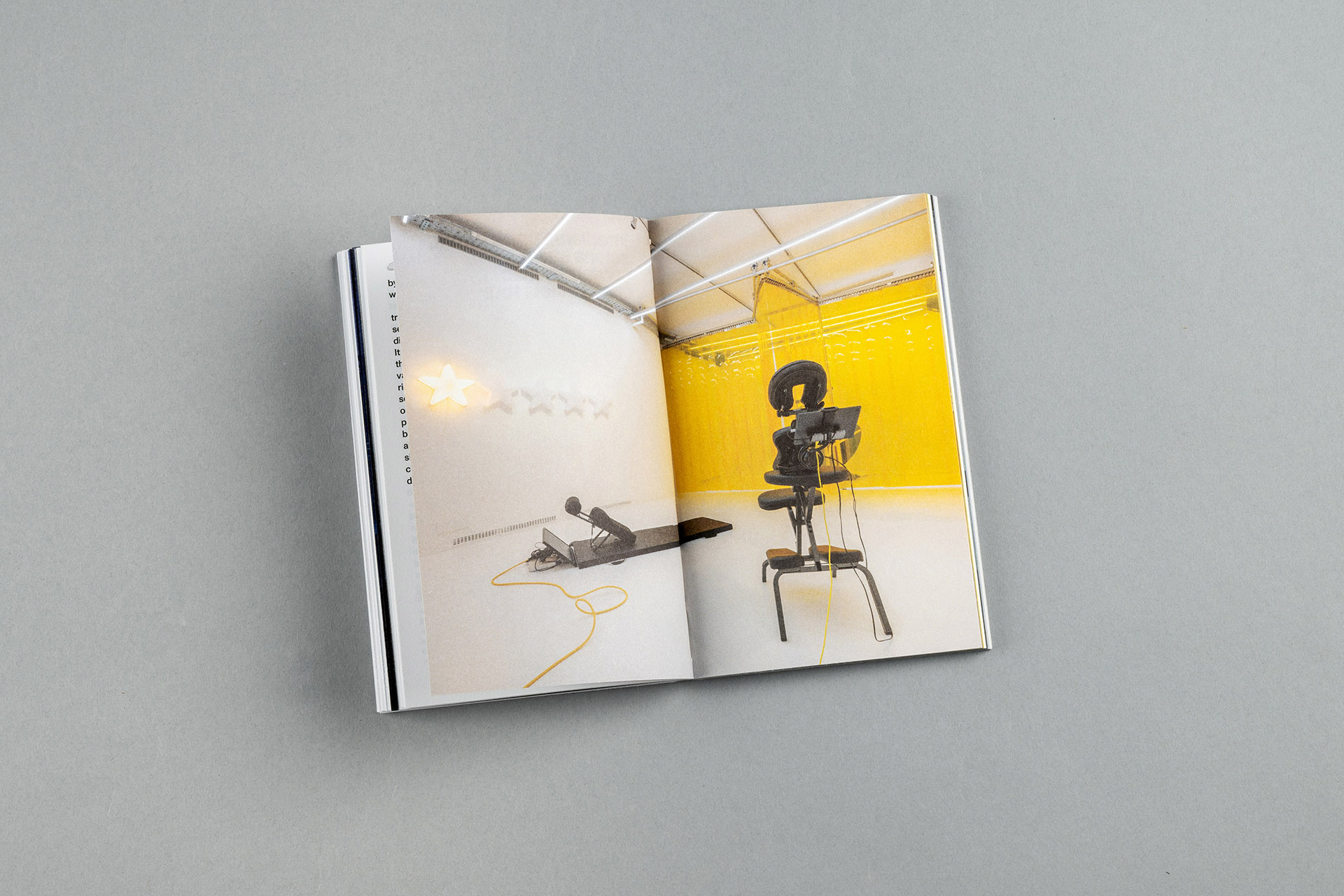
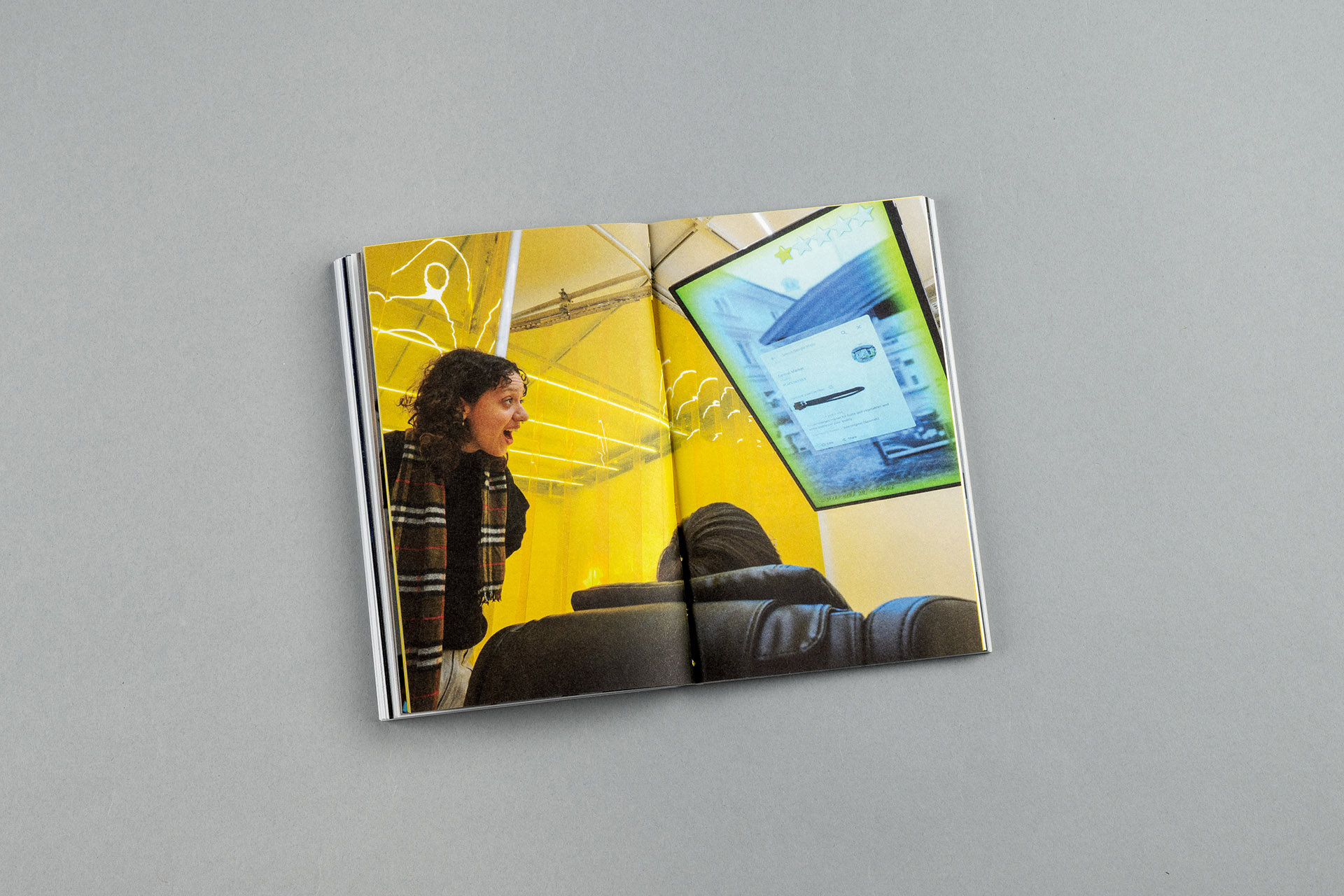
    Critical Hit is a speculative video game that draws the gallery visitors into a post-virtual vision of parallel reality, which seems like a walking simulator set in the convoluted infrastructure of the Dantean circles of cyberspace. With this project, the artist and designer Dorijan Šiško continues his eclectic research into the aesthetics and the medium of video games by reflecting on the alternative relations between virtual and physical spaces and digital and material cultures.

    Entering the arcade, players try to orient themselves within a spatiotemporal haze, following various material hints – light signals, a reflective map and ritualistic objects. When they approach the portal, they enter an endless circling in a limbo of sensory hyperstimulation permeated by sensations of the end and a designed image of an accelerated world. Lost in the wormholes of a hellish neon void, they use their voice to fight a battle with more or less abstract images of the demons of our time. Shifting between levels-worlds, the players screamingly realise that they are the key agents of anxiety driving this lore.

    THE AUTHOR

    Dorijan Šiško is a graphic designer and multimedia artist whose practice also extends to the fields of video games, animation, installation art, theatre and VJing. In his practice, he is interested in the speculative, critical, experimental and transmedia aspects of designing and art. Through creating visual-theoretical worlds, his works explore topics such as fringe digital culture, the dark sides of the internet, the future of humanity, tribalism, post-truth, virtual worlds, science fiction and popular culture. In 2019, he obtained his master’s degree in Graphic Design with honours from the Academy of Fine Arts and Design in Ljubljana with his speculative design project TRIBE. He has received two Brumen Awards and a TRESK award. He is a member of the Freštreš and Nimaš Izbire collectives. His work was also presented at the 34th Ljubljana Biennial of Graphic Arts – Iskra Delta.


    CREDITS

    Author: Dorijan Šiško
    Mentors: Janez Fakin Janša, Maja Burja
    Text: Maja Burja
    Music: Msn Gf, Gabi98, Ascyth, Sin Aspirin, Fujita Pinnacle, Peter Ferlan, DJ Final Form
    3D printing: Luka Frelih

    Production: Aksioma – Institute for Contemporary Art, Ljubljana, 2022

    Part of U30+ production programme for supporting young artists

    Financial support: the Ministry of Culture of the Republic of Slovenia and the Municipality of Ljubljana 

    Thanks: Glej Theatre, Ljudmila Art and Science Laboratory

    After the Bubble: NFTs as a Long-Term Artistic Medium?

    Inte Gloerich, Felix Stalder, Martin Zeilinger

    Ownership and Desire

    Inte Gloerich, Felix Stalder, Martin Zeilinger

    Crypto and the Commons

    Shu Lea Cheang, Aude Launay, Lee Tzu-Tung, Denis “Jaromil” Roio

    Game-Changers: The Game

    Rok Kranjc
    Rok Kranjc
    Game-Changers: The Game

    Event
    Kino Šiška Centre for Urban Culture, Ljubljana
    12 November 2022, 10 AM – 12.30 PM

    With: Rok Kranjc, Ela Kagel, Pekko Koskinen, Filip Dobranić, Anja Blaj, Gregor Žavcer, Felix Fritsch

    Part of U30+ production programme for supporting young artists

    In the framework of Tactics & Practice #13: From Commons to NFTs


    Game-Changers: The Game is a storytelling-driven board game and a game co-design springboard that engages players and “peerticipants” in generative discussions about post-capitalist strategies and the mutually conflicting discourses that underlie the “new economy” buzzwords of the day, such as sharing, smart, circular, collaborative, regenerative and many others.

    In the game, two teams that embody seemingly opposite discursive poles – for example Commonism vs. Capitalism, Green Growth vs. Degrowth, or the Hacker Class vs. Vectoralists  – compete in creating compelling storylines about transformation in order to lay claim to playing fields consisting of real-world initiatives and related ideas.

    To create these stories, the teams must use the Challenge and Intervention cards available to them at a given time or respond to the cards already linked to particular playing fields. This leads to various chains of events, including co-optation and Trojan horse scenarios. Another, third set of cards, Wildcards, is composed of “external” events which can offer unique windows of opportunity for either team or skew the balance in a number of ways.

    Audiences (peerticipants) evaluate the players’ storylines in real time and, in doing so, affect their chance of success. They may also submit new Challenges, Interventions and Wildcards, which get fed into the game while it is being played. Thus, the game is or becomes a modular and generative knowledge commoning tool, both on-site and accross its many playthroughs (using a dedicated platform to be developed).

    THE AUTHOR

    Rok Kranjc is an eco-social transformations researcher at the Institute for Ecology and a translator and editor at the Journal for the Critique of Science. Internationally, he is affiliated with the P2P Foundation, the Participatory Futures Global Swarm and the Shared Futures platform, and is the founder of Futurescraft, a research and design studio for experiential futures, generative games and other forms of engagement with alternative (regenerative, post-growth, commons-based) economies. He has translated several books in the fields of political ecology and ecological economics to his native Slovenian. His original publications include the chapter Commons Economies in Action: Mutualizing Urban Provisioning Systems, co-authored with Michel Bauwens and Jose Ramos for Sacred Civics: Building Seven Generation Cities (2022) and the article Challenges and Approaches to Scaling the Global Commons, published in Frontiers (2021). He is currently co-writing a university textbook about and co-developing a VR experience of commons-based economies with Dr Peter Bloom.


    CREDITS

    Author: Rok Kranjc
    Mentor: Maja Burja

    Production:
    Aksioma – Institute for Contemporary Art, Ljubljana, 2022

    Supported by:
    the Ministry of Culture of the Republic of Slovenia and the Municipality of Ljubljana

    Everybody in The Place: An Incomplete History of Britain 1984-1992

    Jeremy Deller
    Everybody in The Place: An Incomplete History of Britain 1984-1992
    A film by Jeremy Deller

    Screening
    Tuesday, 18 October 2022 at 7 PM
    Kino Šiška, Ljubljana

    Ticket: 5 €

    61 min
    Language: English with Slovenian subtitles

    In the framework of Akcija!, a cycle of screening events


    In Everybody in The Place: An Incomplete History of Britain 1984-1992 (2018), British artist Jeremy Deller explores the socio-political history and contemporary legacy of the ‘Second Summer of Love’. Based on a real-life lecture he delivered to a class of A-level Politics students, Deller utilises rare and unseen archive footage to illustrate his telling of this significant cultural movement.

    From the genesis of house music in the gay clubs of Chicago and the Post-Industrial wasteland of Detroit, through sound systems of British-Caribbean communities to the Balearic bliss of Shroom, Deller charts the momentum that exploded from illicit underground dance floors, cementing acid house and rave music in the mainstream conscious.

    As the Second Summer of Love dawned, Deller explains how for a down-trodden nation recovering from the wounds of the Miners’ strike, the liberal inclusivity of this new music – and drugs – offered a much-needed opportunity for collective catharsis. Ultimately, the proliferation of this counter culture laid bare the stagnation of cultural production in a society constrained by boundaries of class, identity and geography – a moment of seismic change born out of necessity but driven by music.

    Deller’s film looks in detail at the social makeup of Britain in the mid to late 1980s, from the initial wave of hysteria and vilification that greeted acid house, to its rebirth through the prodigiously attended raves of 1988-1990 and ultimately its demise as a revolutionary force by the end of 1993.

    FILMMAKER

    Stretch New Media

    Jeremy Deller (1966) is an English conceptual, video and installation artist. One of his best-known pieces is the massive performance the Battle of Orgreave (2001), a re-staging of an infamous clash between striking miners and the police in 1984. He won the Turner Prize in 2004, and in 2010 was awarded the Albert Medal of the Royal Society for the encouragement of Arts, Manufactures & Commerce (RSA). His work is present, among others, in the following institutions: FNAC, Paris; FRAC Nord-Pas-De-Calais; FRAC Pays de la Loire; FRAC Provence-Alpes-Côte d’Azur, Musée des Arts Contemporains, Grand-Hornu; Tate Modern, London; Victoria & Albert Museum, London. Exhibitions include: Wir haben die Schnauze voll, Bonner Kunstverein, Bonn/DE (2020); Everybody In The Place, The Modern Institute, Glasgow/UK (2019); English Magic, British Pavilion, 55th Venice Biennale/IT (2013); Sacrilege, Esplanade des Invalides, Projet Hors les Murs, FIAC Paris/FR (2012); Joy In People, Hayward Gallery, London/UK (2012); D’une révolution à l’autre, Carte Blanche à Jeremy Deller, Palais de Tokyo, Paris/FR (2008).

    CREDITS

    Production of the event:
    Aksioma – Institute for Contemporary Art, Ljubljana, 2022
    in collaboration with the Center for Urban Culture Kino Šiška

    Supported by:
    the Ministry of Culture of the Republic of Slovenia and the Municipality of Ljubljana

    Welcome

    Kvadratni meter
    Kvadratni meter
    Welcome

    Aksioma | Project Space, Ljubljana
    12 October 2022–20 November 2022

    Part of U30+ production programme for supporting young artists


    The Kvadratni meter art collective draws attention to the issue of the increasing inaccessibility of the “commons”, of public and residential spaces – from restrictions in public spaces due to them becoming elite to the construction of luxury real estate and a lack of housing for the underprivileged population, from social anxieties arising from the housing crisis to personal difficulties related to badly planned and ever-smaller living environments. Space is increasingly subjected to the interests of capital, aggravating the overall socio-economic distress of the population.

    In their latest art project Welcome, the artists shed light on how the arrival of online platforms in the fields of tourism and real estate contributes to the housing problem in complex (yet anecdotally very palpable) ways. The collective that, in 2019, resoundingly “updated” the scale model of Ljubljana with tags of “Airbnbs” now expands its artistic gesture to the dimensions of an actual real estate – the Aksioma Project Space.

    One of the largest online platforms for renting apartments, founded by “three guys” who “turned renting an air mattress in their apartment into a multi-billion dollar company”, [1] is part of the legacy of the 2008 financial crisis, which, through the hardships of individuals, gave impetus to the platform economy. In practice, it turned out that the platform is not an example of the sharing economy, but a story of entrepreneurship and ingenuity, which transformed apartments, basements and bike sheds into a means of mass tourism and investments. It finally established its identity by promoting the value and the right to “live anywhere” – in tree houses, windmills, caves and transport containers … Anywhere but in an affordable, long-term rental or owner-occupied apartment with a suitable floor space, it seems.   

    Their response to the criticism about the negative impact on the long-term rental possibilities for the locals and the effect on the rise in real estate prices, gentrification and the overburdening of cities with mass tourism is that they envision the platform will also pursue long-term rentals in the future. In light of the approaching crisis, the platform sees the perfect opportunity to add more hosts, while the accommodations become even more interesting for flexible remote workers.

    With its project Welcome, the Kvadratni meter collective places Aksioma on Airbnb’s map as the next in the series of accommodations under the tag “Apartment in Ljubljana”. With an uncompromising artistic appropriation of the logic of capital, the artists turned the gallery into an actual accommodation on Airbnb and barred visitors from entering the exhibition venue, which is now open only for short-term rental. With their transformative gesture, the artists reflect on how we will reside in the near future and point out the urgent need for systemic changes, which will remain a pressing issue in the upcoming “season” as well.


    [1] Aydin, R. (2019, September 20). How 3 guys turned renting air mattresses in their apartment into a $31 billion company, Airbnb. Insider. Retrieved October 4, 2022, from https://www.businessinsider.com/how-airbnb-was-founded-a-visual-history-2016-2

    THE AUTHOR

    Kvadratni meter is a collective of four artists that has been active since 2019. They express their sensitivity to social issues, especially the right of residence, through performances, installations, sculptures and interventions in public spaces, and address the issues of gentrification, inaccessibility of housing and lower living standards, both locally and globally. Their projects include A Monument to the Housing Crisis (plaza in the Metelkova Museum Quarter), rent+expenses (Cirkulacija2), Stealing Land (Alkatraz Gallery) and two interventions in public space: Real Estate Market in Republic Square and Updating the Scale Model of Ljubljana.


    CREDITS

    Author: Kvadratni meter (Klara Kracina, Teja Miholič, Sangara Perhaj, Urša Rahne)
    Mentors: Janez Fakin Janša, Maja Burja
    Text: Maja Burja

    Production:
    Aksioma – Institute for Contemporary Art, Ljubljana, 2022

    Supported by:
    the Ministry of Culture of the Republic of Slovenia and the Municipality of Ljubljana

    Price: 15€
    Language: English


    The seven essays in this book examine the desires and impulses that drive digital culture, focusing on the shift from commons to NFTs, from new forms of sharing to the expansion of private ownership and tradable commodities. They reveal just how much our culture has been transformed in the last 20 years, but also unearth surprising continuities between the commons and some of the truly experimental uses of blockchains.

    Written by artists, researchers, curators and technologists from Europe, North America and East Asia, these essays bring much-needed first-hand experience and long-term perspective to the discussion.

    EN | 10.5 x 16.7 cm | 120 pp | B/W | soft cover | 2022
    ISBN 978-961-7173-17-8


    Colophon

    From Commons to NFTs
    Contributors: Felix Stalder, Yukiko Shikata, Michelle Kasprzak, Denis “Jaromil” Roio, Cornelia Sollfrank, Jaya Klara Brekke, Lee Tzu-Tung

    Editors: Felix Stalder, Janez Fakin Janša
    Editorial assistant: Rok Kranjc
    Language editors: Miha Šuštar, Cherise Fong
    Japanese language consultant: Iztok Ilc
    Design and layout: Federico Antonini, Alessio D’Ellena (superness.info)

    Print: Collegium Graphicum
    No. of copies: 300

    Published by: Aksioma – Institute for Contemporary Art, Ljubljana
    Represented by: Marcela Okretič
    Ljubljana, October 2022

    Attribution-NonCommercial-ShareAlike 4.0
    https://creativecommons.org/licenses/by-nc-sa/4.0

    Promotion and distribution: Sonja Grdina

    Supported by: the Ministry of Culture of the Republic of Slovenia and the Municipality of Ljubljana

    Originally published in the online magazine Makery.info between January and July 2022 in both English and French for the essay series From Commons to NFTs initiated by Shu Lea Cheang, Felix Stalder and Ewen Chardronnet. Makery is a project by ART2M, directed by Anne-Cécile Worms.
    www.makery.info/en/category/from-commons-to-nfts

    Related event: Tactics & Practice #13: From Commons to NFTs

      To top