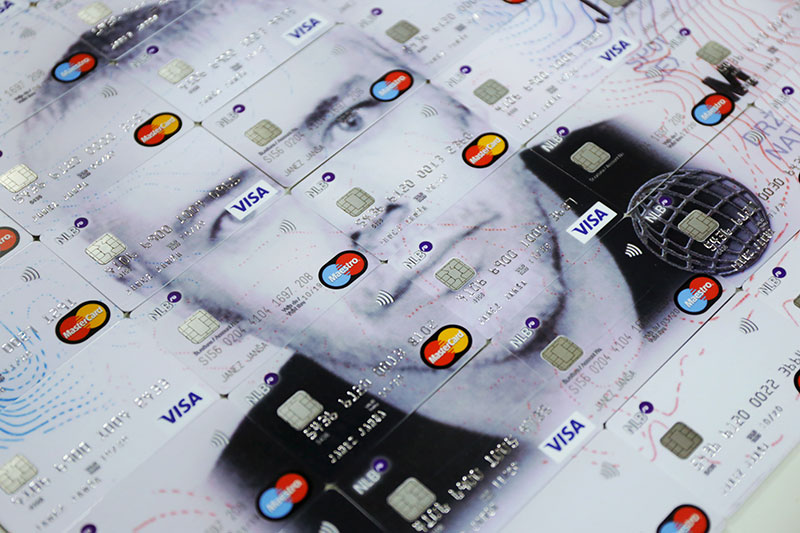
All About You

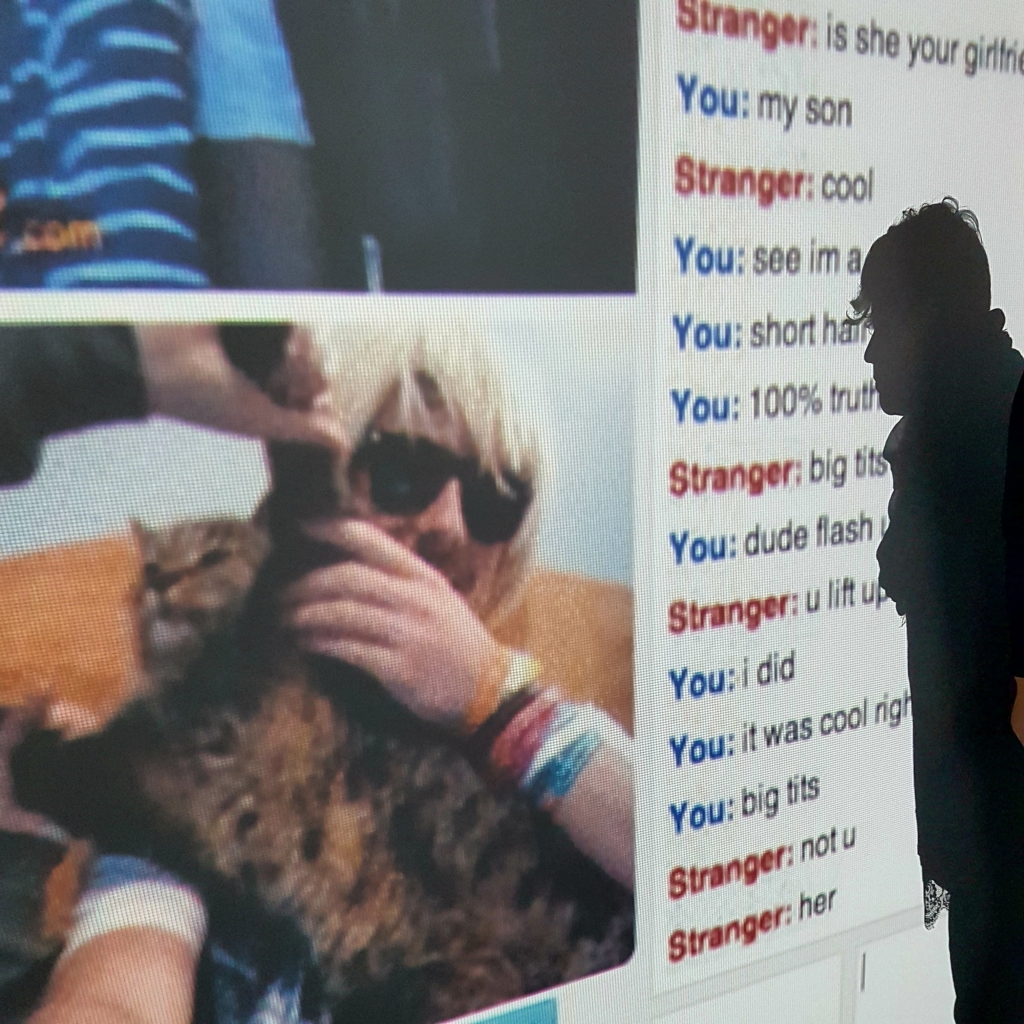
Janez Janša, Janez Janša, Janez Janša

In the framework of the exhibition Good Luck, Archaeologists!.

Group exhibition opening: FRI, 9 September 2016 at 7 pm

Strossmayerjeva 6, Maribor, Slovenia

Other Kinds of Sound Environment

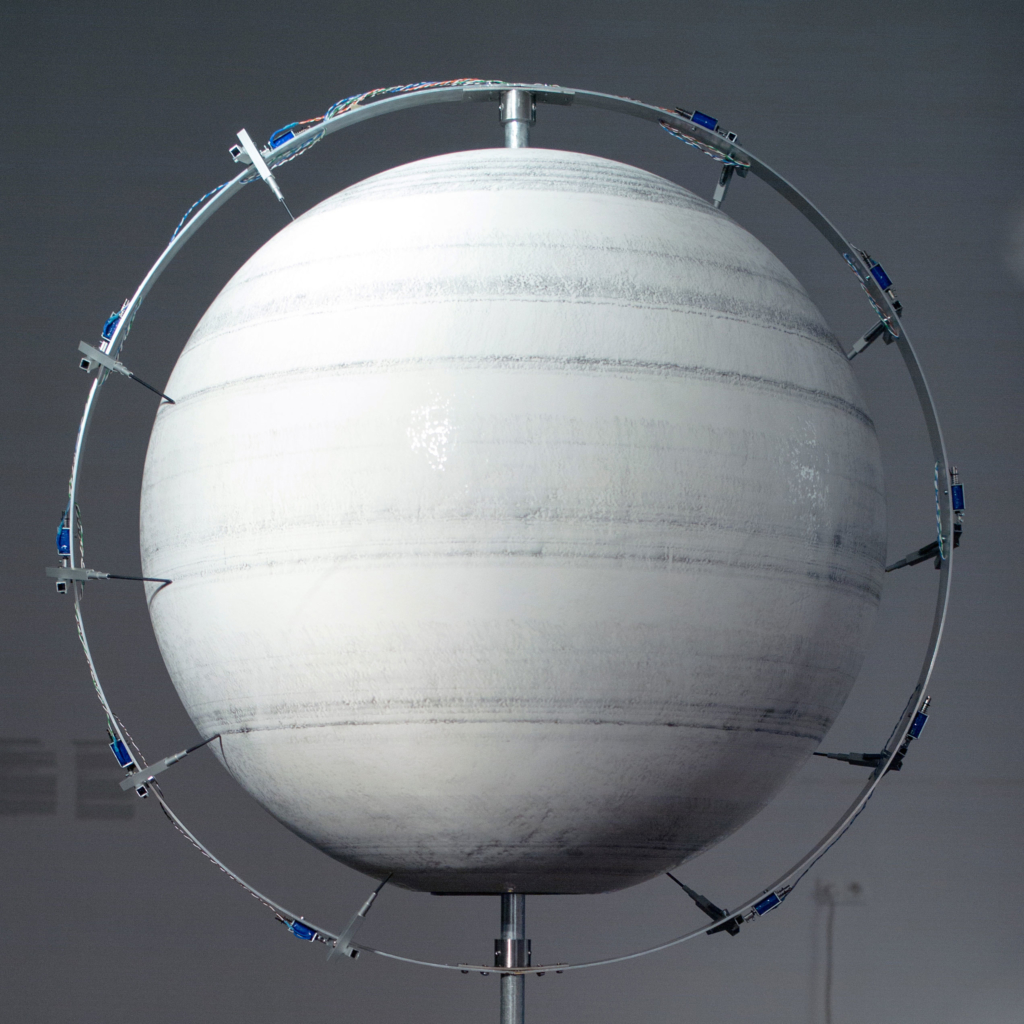
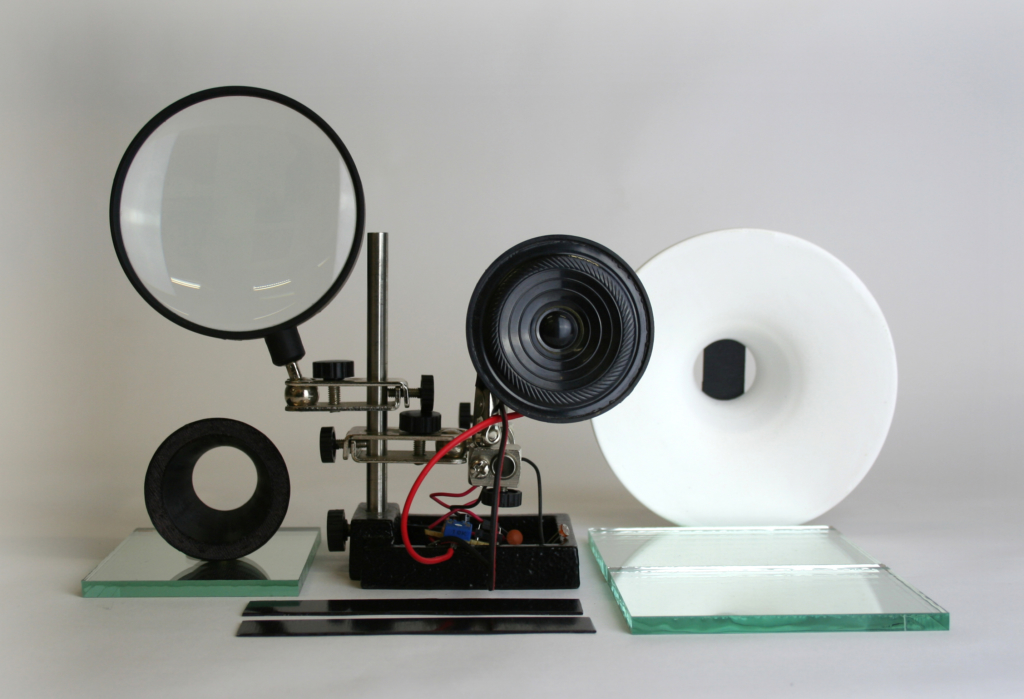
Peter Sinclair

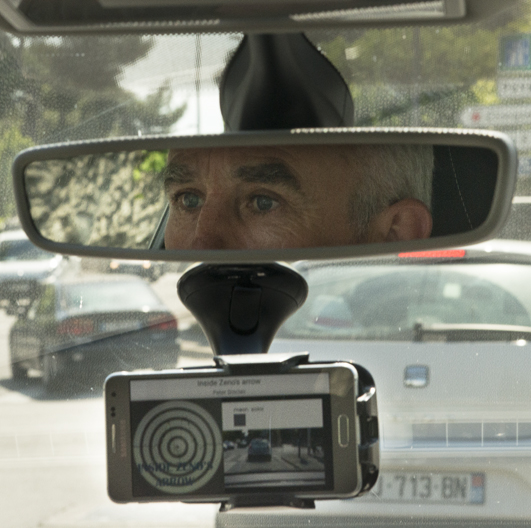
exhibition and In-time, in-situ performance event RoadMusic (car journey)

Exhibition opening: WED, 14 September 2016 at 8 pm

Car rides:
• 14 September 2016, from 6 pm to 9:30 pm
• 15 September 2016, from 5 pm to 7:30 pm
• 16 September 2016, from 5 pm to 7:30 pm

Production: CONA Institute for Contemporary Art Processing, 2016

Free entrance

Komenskega 18, Ljubljana, Slovenia


* Host event. Not part of the Aksioma Institute production programme.

How Much is Your Face Worth?

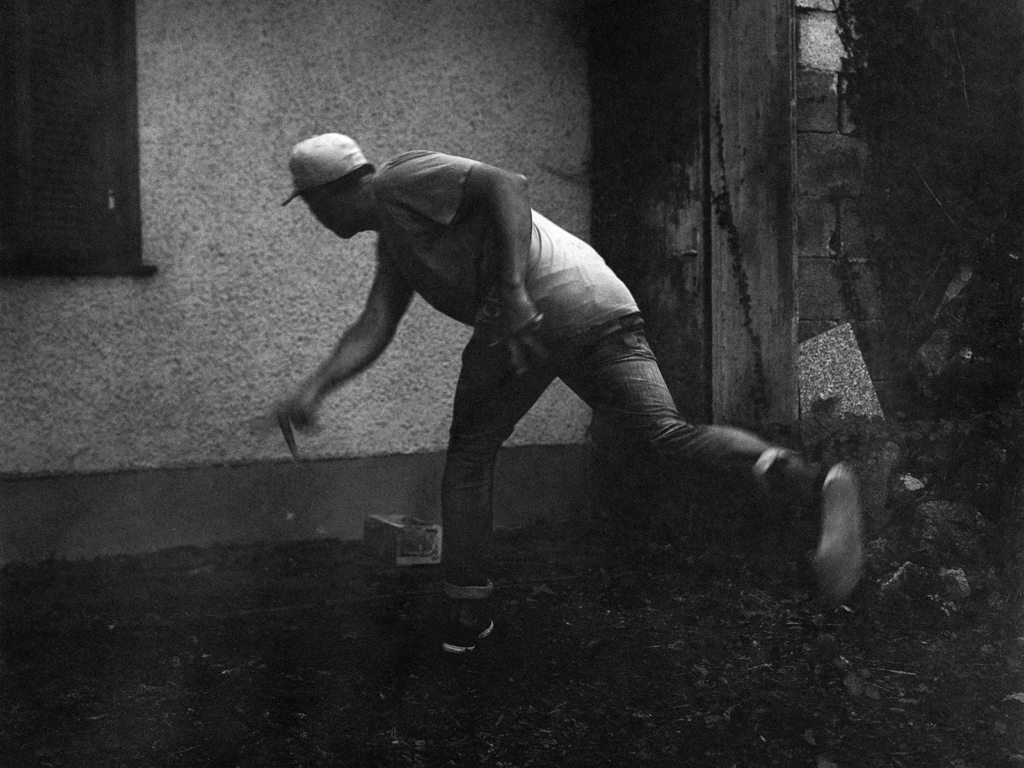
Emil Kozole

Emil Kozole
How Much Is Your Face Worth?

SOLO EXHIBITION

Aksioma | Project Space, Ljubljana

6 – 22 July 2016

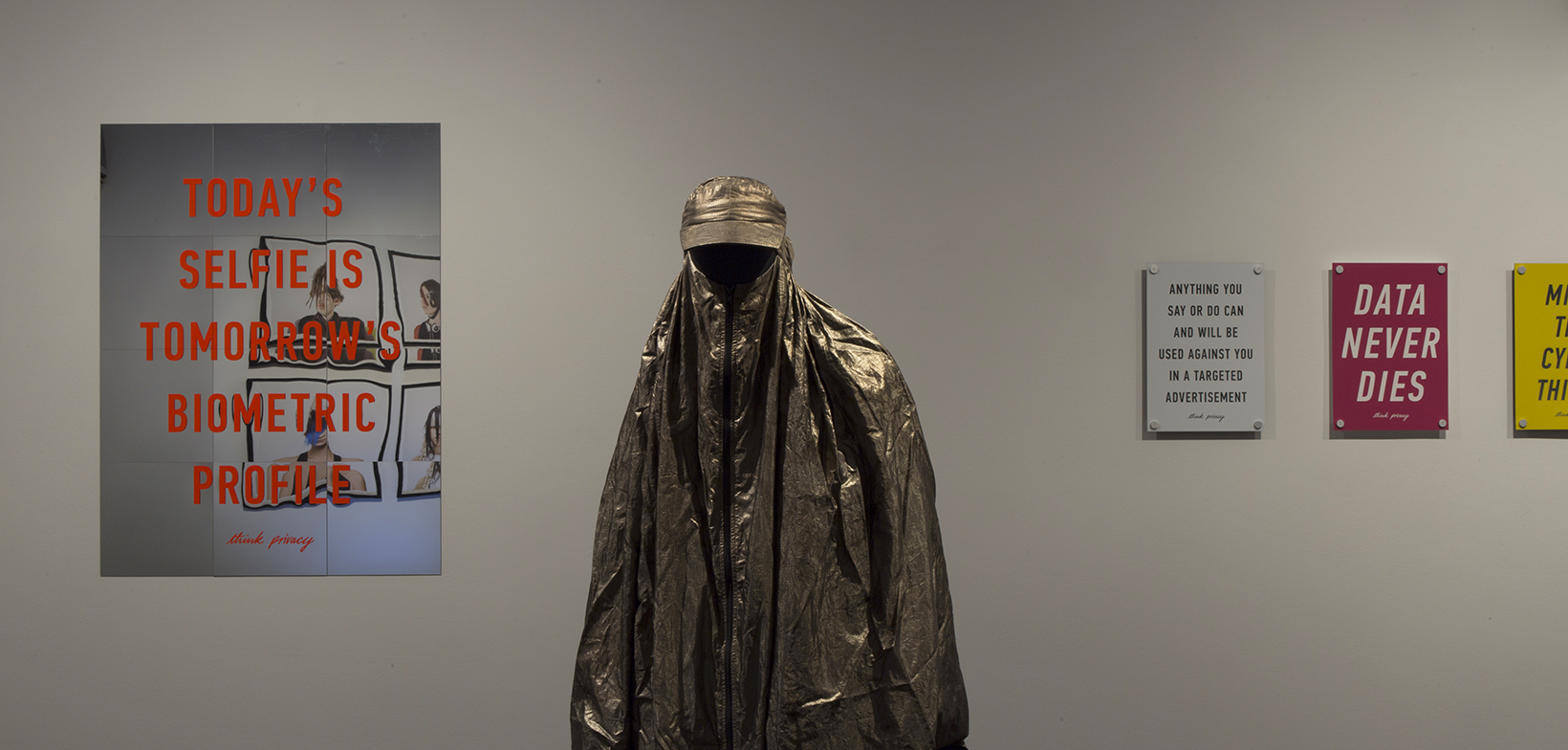
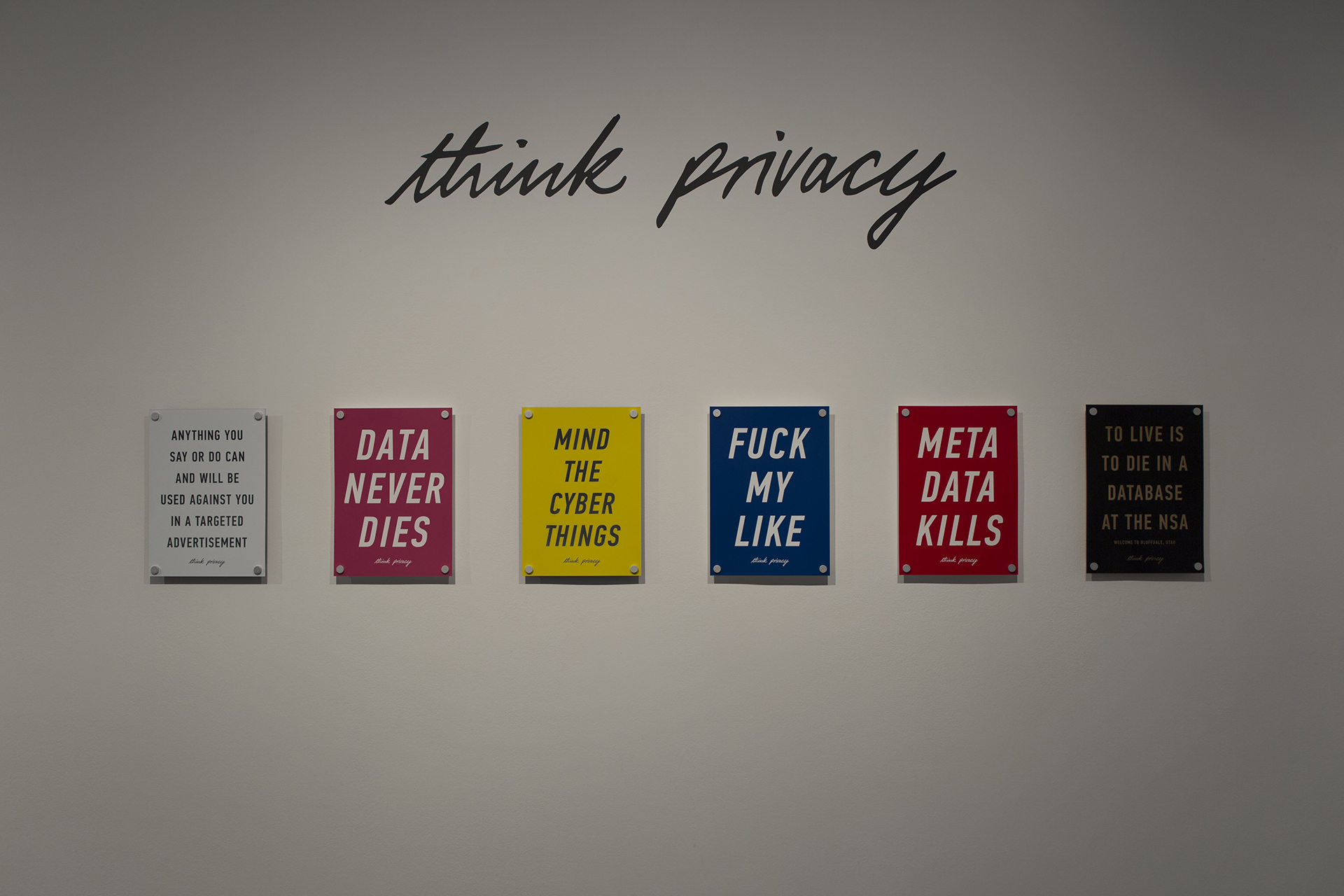
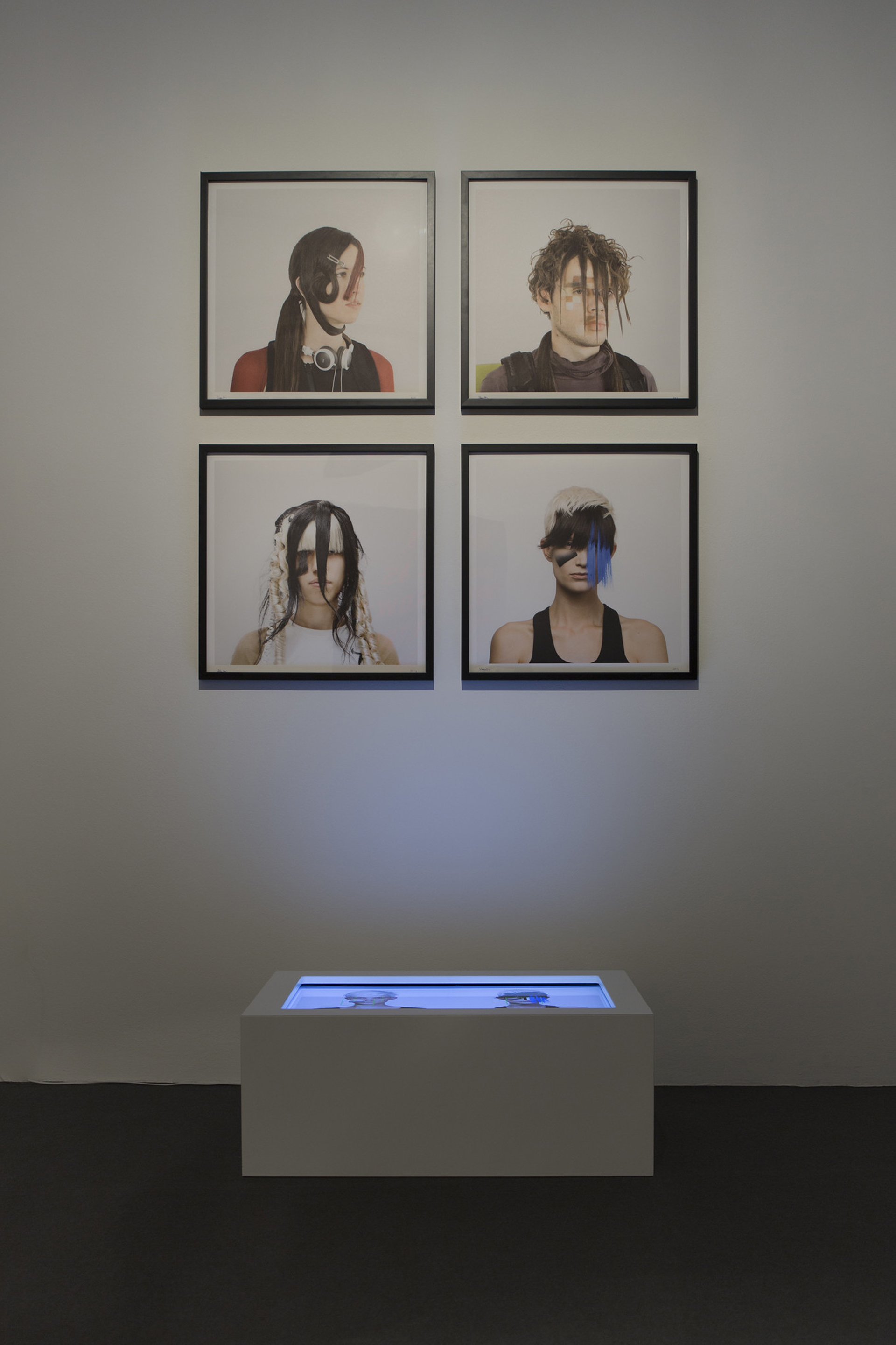
In 2014 Facebook released the most powerful targeting tool ever – Detailed targeting [1], with intelligence that makes even Orwell’s 1984seems like a fairytale. It segments people by ethnicity, sexual orientation, political orientation, social status, the car they drive, and even the food they eat. How does Facebook know all of this?

The way Facebook files its users is done through algorithms that calculate, for example, your sexual orientation by assessing the interactions you have with other users on Facebook. Your ethnicity instead is guessed by the combination of your given name and last name: if your name is Hans Mueller, you are certainly a white man. Well, at least for Facebook. The neighborhood you live in provides relevant information on your social status. This and much more adds up to increasingly accurate profiles Facebook then sells to advertisers.

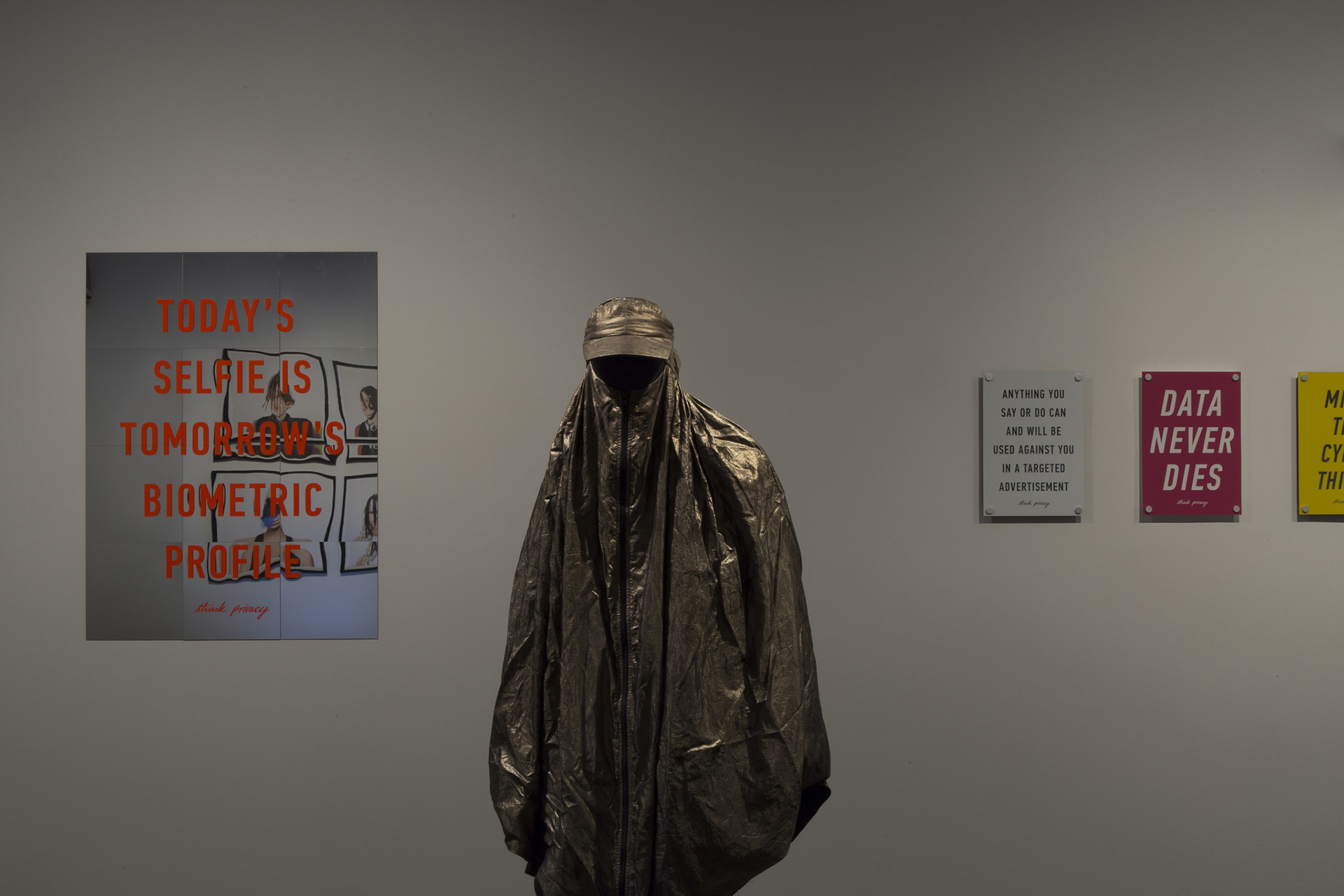
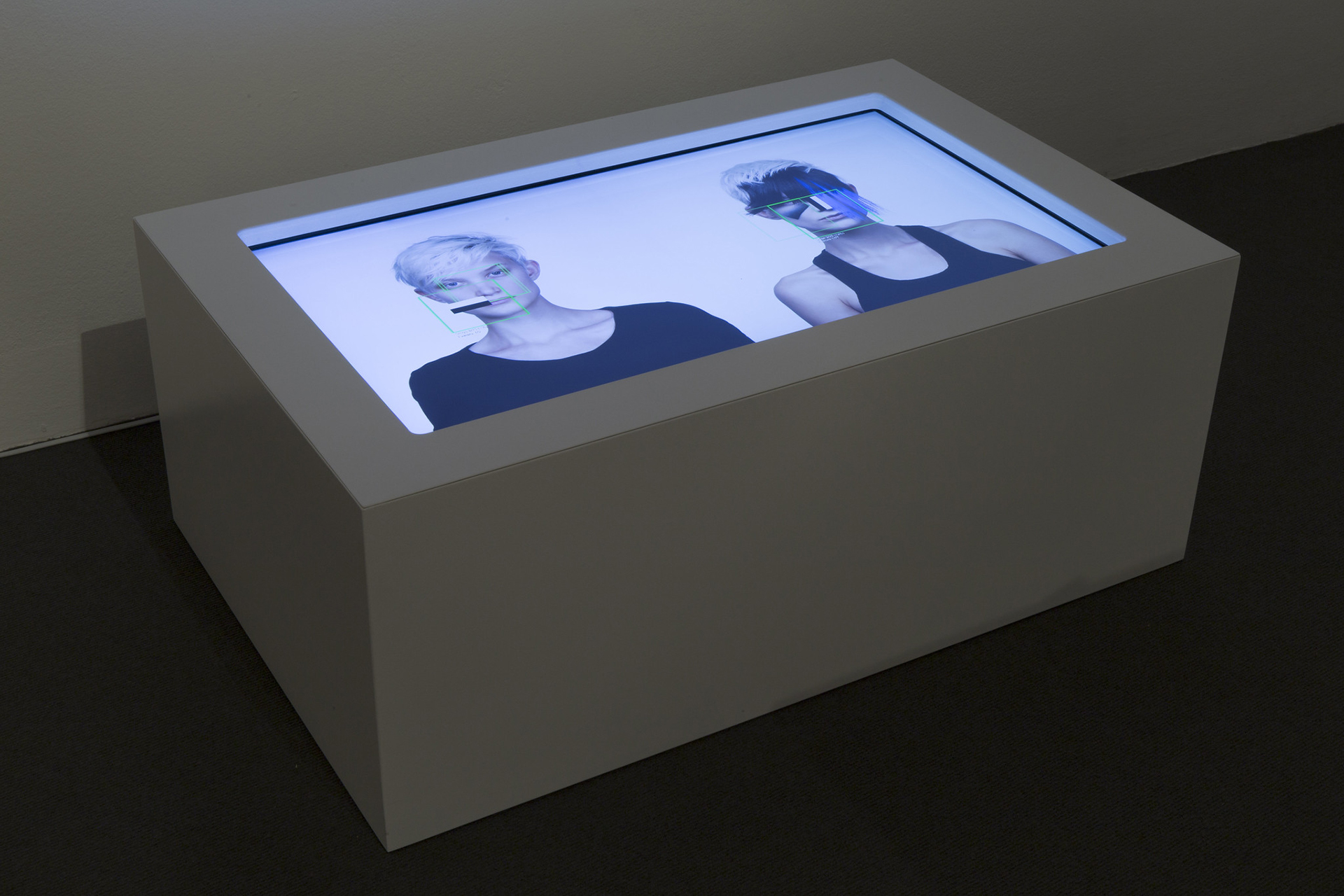
If this is not scary enough, Facebook has also developed the most efficient face-recognition software known today: the DeepFace [2] . At the moment the social media in question has over 1.5 billion users that have uploaded more than 250 billion photos and it’s actually capable of identifying any person depicted in a given image with 97% accuracy. When considering these two facts it is reasonable to speculate that our face will soon become an important variable in “target advertising”. So the question is: how much is your face worth?

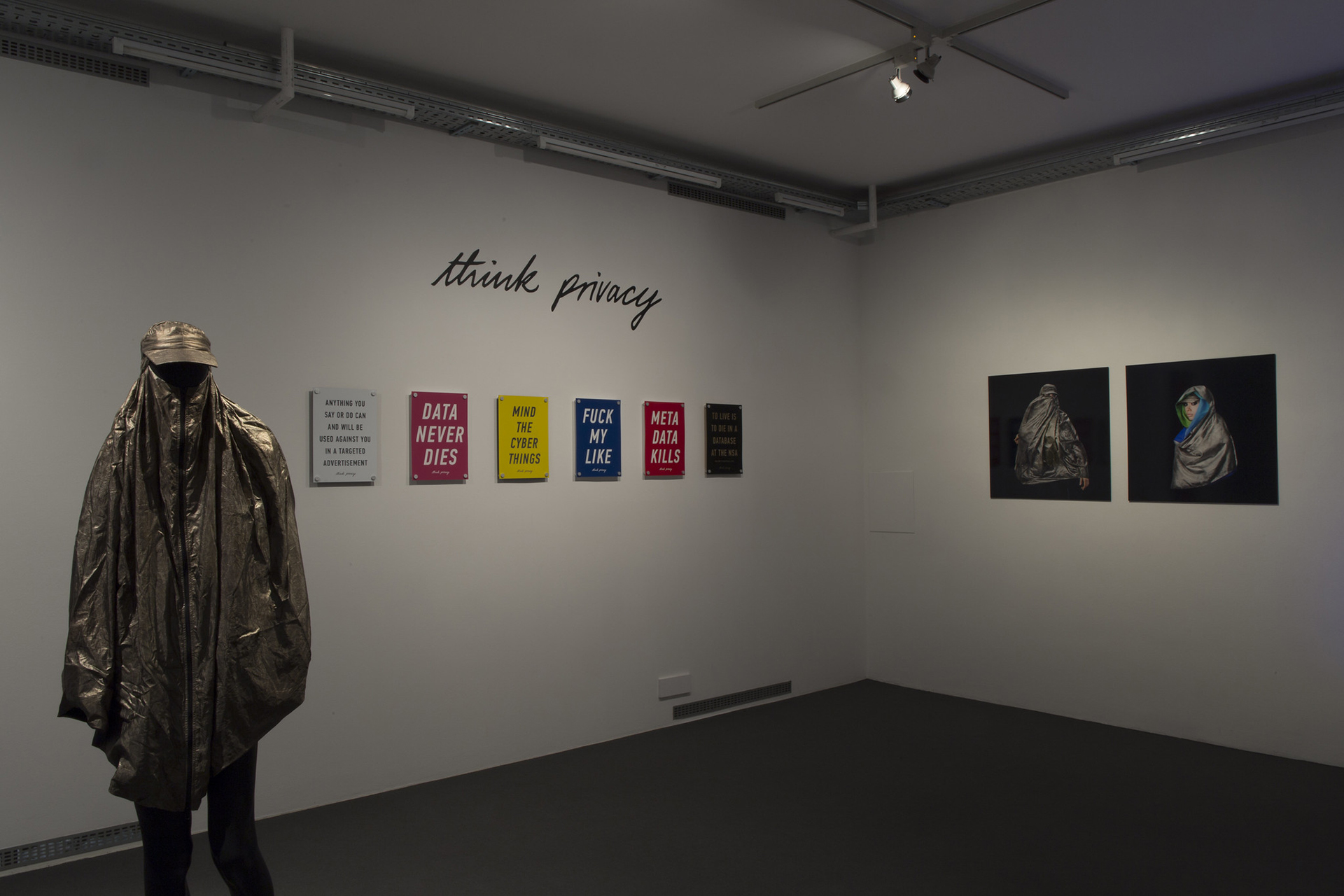
In a dystopian scenario that explores the value of humans to advertisers purely based on data taken from their Facebook profiles, How Much Is Your Face Worth?, a new project by Slovenian designer Emil Kozole, investigates connections between personal data, facial characteristics and online targeting and questions the rise of new marketing tools that are one step ahead of personalized advertising and are becoming embedded into our lives. The exhibition will feature over two thousand profiles distributed by what Facebook knows and speculates about them with the potential value that they represent.


AUTHOR

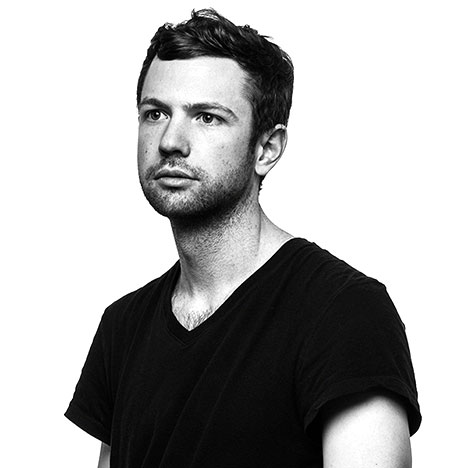
Emil Kozole (1991) is a designer who uses graphic design and typography in the context of socio-political structures. Kozole’s projects are more than just an exploration of visual form. He focuses on the contextual use of graphic design as an investigation into fields such as internet identity, digital surveillance and language. He uses typography and code as a tool for the manifestation of his ideas through online and physical installations or performances. His artworks have been commissioned and exhibited internationally and featured in numerous magazines, such as WiredLe Monde and Der Spiegel. In 2015 he won the Gran Prix award at the Slovenian Biennale of Visual Communication. Kozole is a recent Central Saint Martins MA Communication Design graduate. More

CREDITS

Production: Aksioma – Institute for Contemporary Art, Ljubljana, 2016

Artistic Director: Janez Janša
Producer: Marcela Okretič
Executive Producer: Sonja Grdina
Assistant: Katra Petriček
Public Relations: Urša Purkart
Technician: Valter Udovičić

This project was conceived as part of the U30+ initiative.

Supported by: the Ministry of Culture of the Republic of Slovenia and the Municipality of Ljubljana.

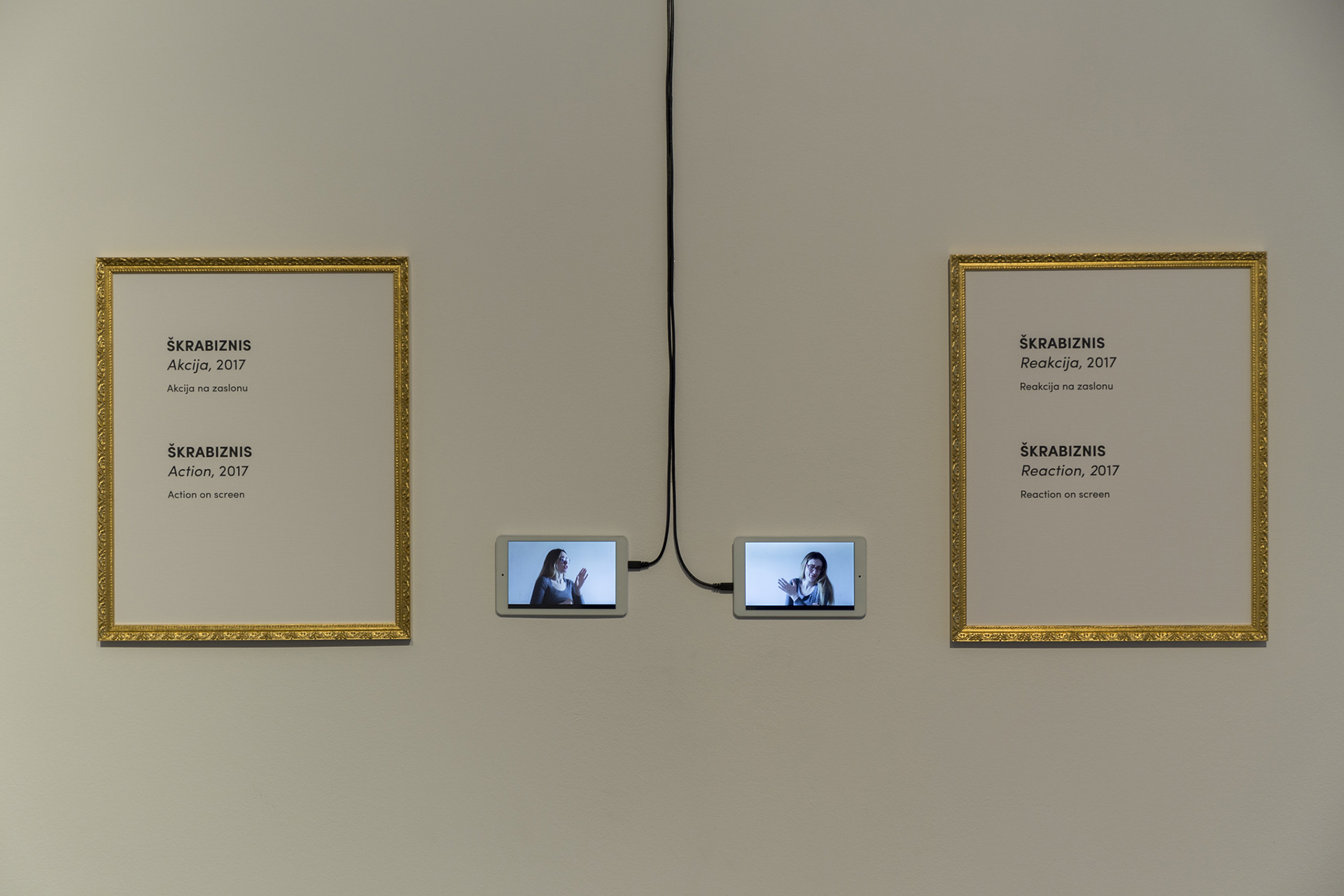
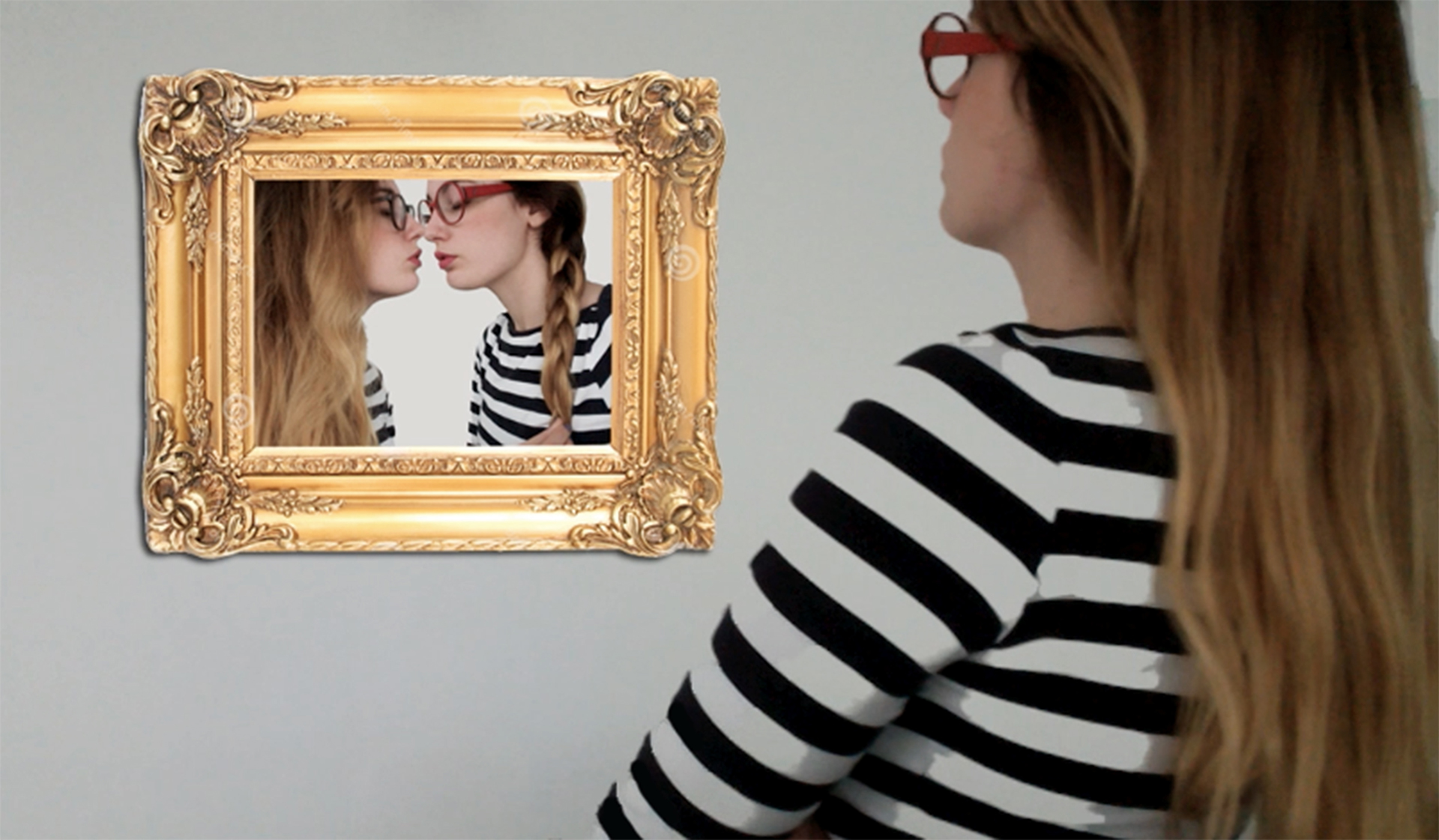
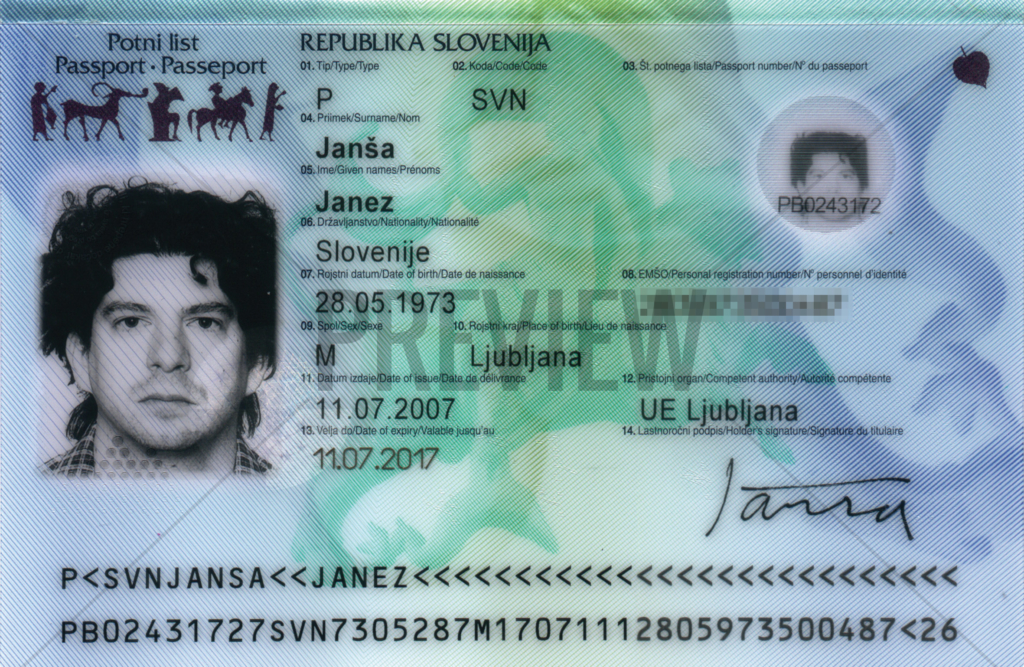
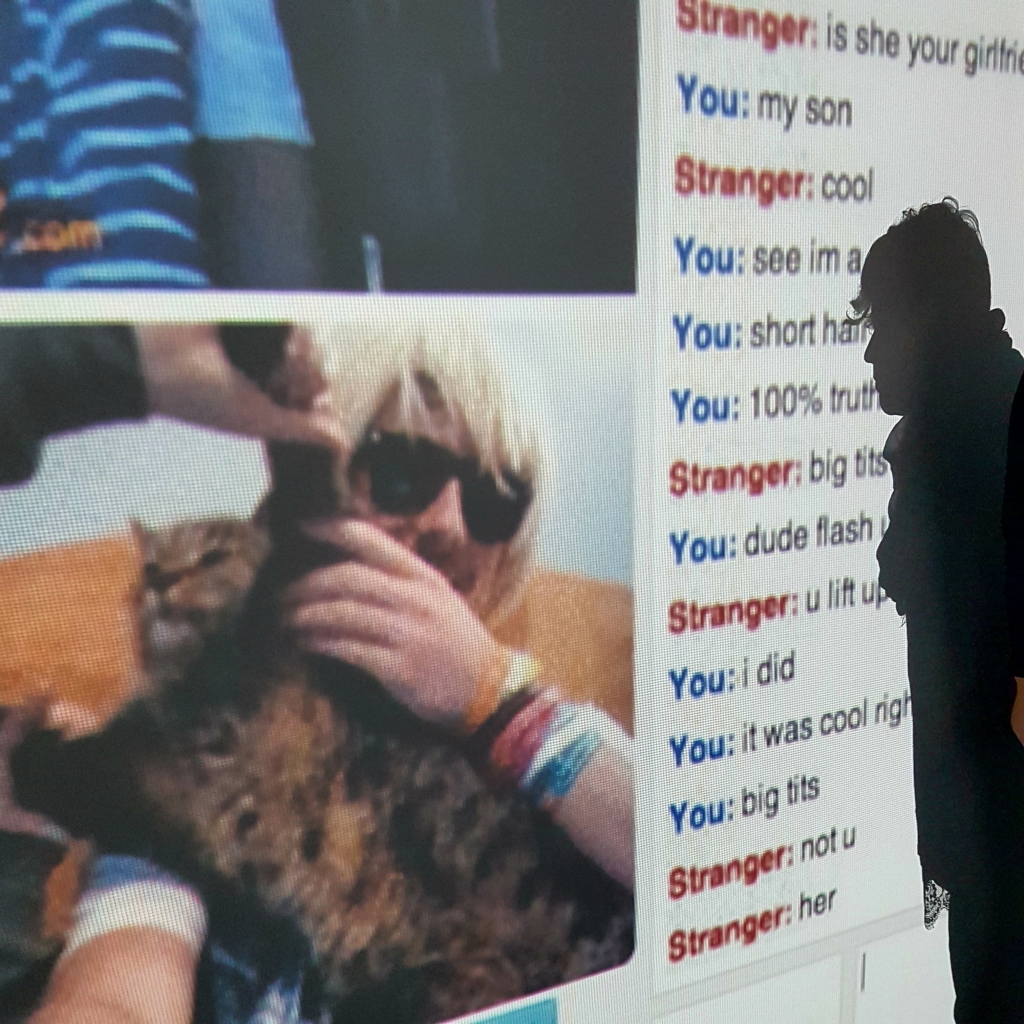
All About You

Janez Janša, Janez Janša, Janez Janša

Solo Exhibition

Exhibition opening and lecture by Dr Lev Kreft: TUE, 28 June 2016 at 8 pm

Free entrance

Tobačna 1, Ljubljana, Slovenia

One Euro

Oliver Walker
Oliver Walker
One Euro

Exhibition
8 June–July 2016
Aksioma | Project Space, Ljubljana


Katra Petriček | More

The value of work has always been subject to huge disparities. For a period in the mid twentieth century leftist parties and labour unions tried – and partially succeeded, at least in Western countries – to reduce these disparities. But during the last three decades, with globalization, the information revolution and the emergence of the post-fordist model of work, have become greater and greater again. Legal and illegal immigration from poorer countries provided cheap labour for agriculture and industries; while the competition from developing countries brought companies to produce cheaper commodities, and to reduce the wages of the workers, hire occasional workers, outsource production to developing countries. Youth unemployment is rising, and if the eight-hour day still survives in certain fields and for certain generations of workers, it has become a mirage for many young people. As it was stated in the concept of the exhibition Time & Motion: Redefining Working Life (FACT, Liverpool, December 2013 – March 2014), “amid the new realities of a globalised experience economy and a working environment that is increasingly distributed, virtualised and digital, our definitions of production and consumption, work and recreation are becoming increasingly blurred.”

Featured in this pertinent exhibition, One Euro by Oliver Walker is a six channel video installation, with each channel depicting one person working. Each video lasts as long as it takes the person depicted to earn one euro. The films vary in length from well over an hour for low paid agricultural workers; to their slightly higher paid counterparts in industry; via those on middle income wages; down to one minute, and with one film little over a second long.
The films do not offer a narrative, but rather quite detached observations of people at work. It is not intended as a didactic essay on wage inequality. While it offers reflection on these staggering inequalities, and this political position is ultimately not left ambiguous, the relationship between labour and money is transformed into a more subjective medium – time. Periods of time are not as easily compared with one another as pieces of graphical information, for instance. With video, the timescale is embedded into the medium (unlike photography, or even text). Ultimately the people on the screens are simply taking part in their everyday lives, and we see six bodies on six screens, side by side.In One Euro, time itself becomes an expressive medium, in a way that underlines its relationship with money and value, but also in a way that underlines the ambiguity of this value. The way the installation is designed, in fact, makes the richer people appear on screen for just a few minutes, or just a few seconds. While the agricultural worker is earning a euro, the screens of the people whose time is worth more is left blank. Their time may be expensive, but does it really belong to them? Are they still able to see any difference between working time and personal time? Do they still have free time?

THE AUTHOR

Katra Petriček

Oliver Walker (Liverpool, 1980) uses live art, interventions and new media to investigate social and political systems; and to find his position in and to these larger systems. Ideas feed into his practise from everyday life, from an attempt to be politically aware and critical. He tends to take on rather ambitious subjects, such as global trade, democracy, and even love. Criticism, humour and innovation are then used to analyse and partly re-configure them; such as outsourcing the production of a written constitution for the UK to China (Mr Democracy, 2008), or using the price of an African financial index to control everyday objects in a western city in real-time (Bringing the Market Home, 2009).Oliver Walker studied Fine Art BA(Hons) in Bristol, 2004, and Art in Context MA at the UdK Berlin (Berlin University of the Arts), 2009. He is based in Berlin and Liverpool, UK.

CREDITS

Author: Oliver Walker

Production of the exhibition:
Aksioma – Institute for Contemporary Art, Ljubljana, 2016

Thanks to: UGM / Maribor Art Gallery

Supported by:
the Ministry of Culture of the Republic of Slovenia and the Municipality of Ljubljana.

Survival kit for the Anthropocene – Trailer

Maja Smrekar

Solo Exhibition

Exhibition opening: WED, 8 June 2016 at 7 pm

Grajska pot 13, Škofja Loka, Slovenia

Car Wash Incident

Jack and Leigh Ruby

Jack and Leigh Ruby
Car Wash Incident

SOLO EXHIBITION

Aksioma | Project Space, Ljubljana
4 May – 3 June 2016

ARTIST TALK

Eve Sussman and Simon Lee
Döppelgängers, Collaborations and other Insinuations

The Academy of Fine Arts and Design, Ljubljana

Artists Eve Sussman and Simon Lee will give as an insight into their work, among other as producers for Jack and Leigh Ruby’s  Car Wash Incidentinstallation, Simon’s work MOTHER IS PASSING. COME AT ONCE., Eve’s film whiteonwhite:algorithmicnoir and their new joint collaboration No food No money No jewels.
The lecture is part of the ALUO uho events.

AUTHORS

Jack and Leigh Ruby operated as “facilitators for insurance claims” from the mid 1970s until 1998, when they were arrested for robbing their own house (and forging evidences of a theft). After 13 years in prison, they went back to New York and started their artistic career. In addition to Car Wash Incident, their first art film-installation, the Rubys are making photographs, lenticular prints, Television monoprints, Ektagraphic slide shows and collages of their life on the lam.

Simon Lee is a British artist who works in photography, video and installation. His work is said to often be “a powerful metaphor for the random flow of history and a low tech formal tour de force” (Holland Cotter, New York Times). His 2010 film collaboration with Algis Kizys, Where is the Black Beast? (2010) was shown at the Sagamore Collection in Miami, Zebra Poetry Film Festival Berlin, IFC Center in New York, and was an official selection at the 2011 Rotterdam Film Festival. Lee has exhibited at the Brooklyn Museum of Art; The Berkshire Museum, MA; Roebling Hall, New York; the Moscow International Film Festival; Musée d’Art Contemporain de Montreal; Poznan Biennale, Poland; The Rotunda Gallery, Brooklyn NY; Tinguely Museum, Basel, Switzerland; Espace Paul Ricard, Paris, France; and The Whitney Museum of American Art, New York. Lee’s work has been supported by a range of entities including: the New York State Council in the Arts, the New York Foundation for the Arts, the British Council, and the Pollock Krasner Foundation. MORE

Eve Sussman is a Brooklyn-based artist and filmmaker who works independently and collaboratively, sometimes under the rubric Rufus Corporation. Her work incorporates film, video, installation, sculpture, and photography. Along with Rape of the Sabine Women, 2006, and 89 Seconds at Alcázar, 2004 that debuted at the Whitney Biennial, the company has collaborated on Yuri’s Office, 2009, and whiteonwhite:algorithmicnoir, 2011. Rufus Corporation’s works have been exhibited and screened internationally and are included in the collections of the Smithsonian Museum of American Art, the Museum of Modern Art, New York; the Whitney Museum of American Art, New York; the Philadelphia Museum of Art, Fundación La Caixa, Barcelona and Centro Galego de Arte Contemporáneo, Santiago de Compostela, Spain. Sussman is a recipient of a Guggenheim Fellowship, a Creative Capital grant, the Rome Prize, and has received funding from the New York Foundation for the Arts and the New York State Council on the Arts, among others.
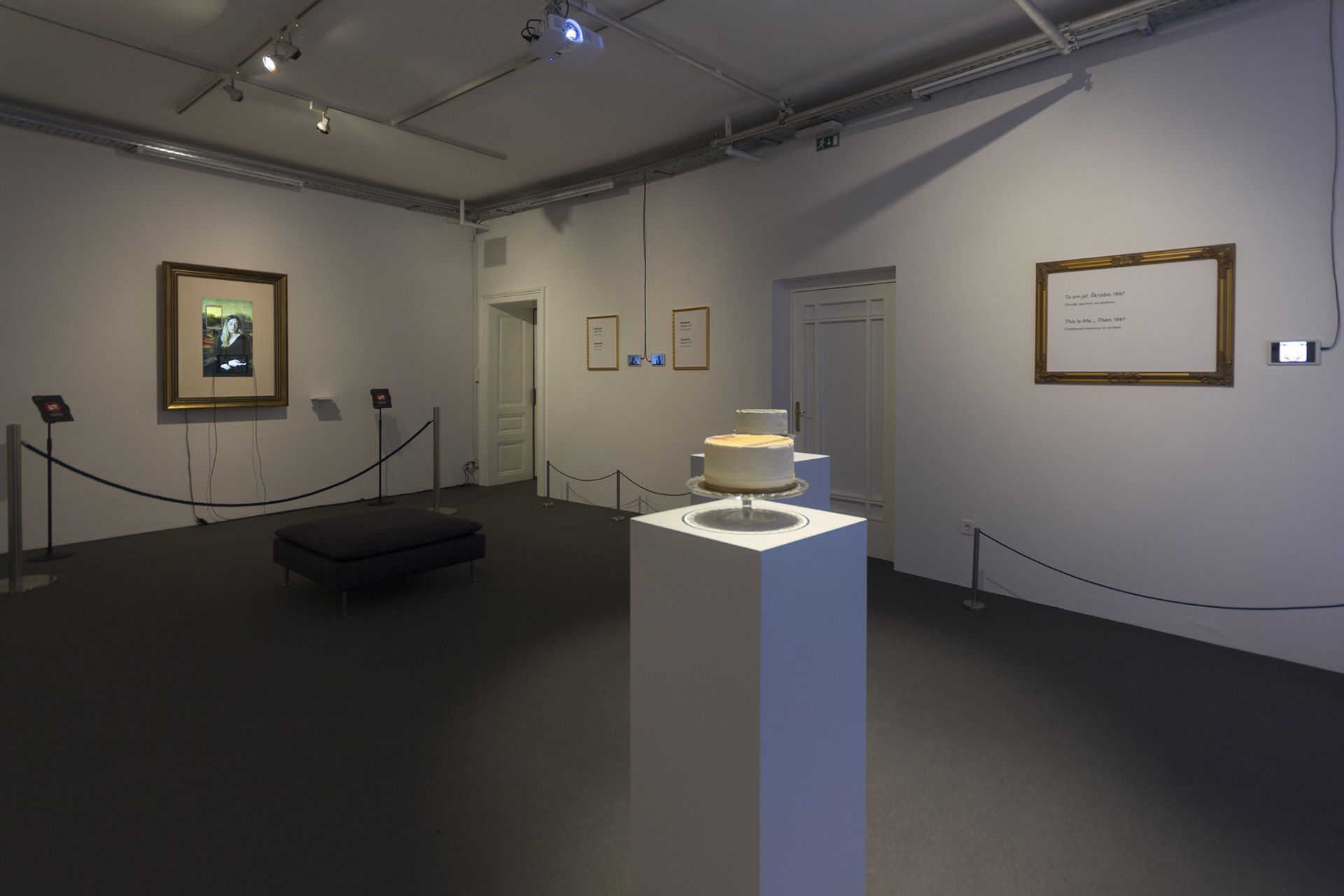
As collaborators Simon Lee and Eve Sussman co-founded the Wallabout Oyster Theatre – a micro theatre space run out of their studios in Brooklyn. Their most recent project, No Food No Money No Jewels, was commissioned by the Experimental Media and Performing Art Center (EMPAC) in Troy, NY, co-produced by the Robert D Bielecki Foundation and premiered as a multi-channel installation at Locks Gallery in Philadelphia in February 2016. MORE

Even if there is little difference between a con-artist and an artist, and the latter quite often try to replicate the strategies, the behaviors and the practices of the first, the case of the con-artist that becomes an artist is still quite rare. Jack and Leigh Ruby are one exception. As artist and producer Simon Lee said: “They lived a life of fraud and they continue to live a life of fraud in the art world.” From the early 70s to the late 90’s siblings Jack + Leigh Ruby were career confidence artists operating in America and Australia. They specialized in facilitating insurance fraud, fabricating sophisticated portfolios of false evidence, often using photography, film and video surveillance footage. Finally arrested for a scam in which they robbed their own house, they were incarcerated for more than a decade. In prison the Rubys atoned for their crimes and denounced their illegal behavior. In spite of this they came to re-evaluate their previous career with new aesthetic appreciation, based on their study of contemporary art. 
One thing they probably noticed was the close relationship between the fake media objects – photos, videos, documents) they crafted for their scams, and the strong interest shown by most artists working with media imagery from the Seventies onward for the relationship between reality and fiction, documentation and falsification, live and mediated experience of an event. As they explained: “At the very least we confused the truth to the point that alternative narratives could be suggested and adopted as believable. Variable parallel realities that call into question “what happened” and what we believe to be real, while simultaneously winking at the presence of the directors just slightly off stage, is the basis for our current body of work as artists. Insinuation, implication, loaded gestures, pregnant pauses, cross conversations and doppelgängers are all present in our recent work.” 

The dialogue, that started in prison, with artists and producers Eve Sussman and Simon Lee brought them to further elaborate upon these topics, and to decide to re-invent the most intriguing of the work from their younger days, using the falsified photos and videos as fodder for new work. Upon release in 2012 they returned to the US and made Car Wash Incident, a film they had been planning for several years that is the first in a series inspired by the scam portfolios from their past life. 

Car Wash Incident is a video installation consisting of 25-minute two-channel video loop with an eight-channel audio system. The film installation is inspired by an actual scam carried out in 1975 by the Rubys, but is not a duplication of the event:  it’s a motion picture re-creation of the one of the pieces of ephemera used by the Rubys to commit their crimes: that is a falsified photo from the car-wash scam. The video, comprised of the same scene, filmed over and over again at different angles, features two identical casts of 4 characters (played by 8 actors) simultaneously performing a choreographed plot; one cast enacting the plot story “clockwise” and the other depicting the plot “counter-clockwise.”The video belongs to the genre of the “reconstruction”, for which Aksioma demonstrated a long time interest since the organization of the exhibition Re:Akt! Reconstruction, Reenactment, Re-reporting (2009), and can be easily compared with works such as The Third Memory (1999) by Pierre Huyghe and The Eternal Frame by Ant Farm and T.R. Uthco, also shown at Aksioma in 2013. Since 2013, it has been shown in many venues, including: Old School, New York City 2013; Monkeytown, New York City 2013; Moscow International Film Festival 2013; The Parlour, Brooklyn, NY 2013; B3-Bienale, Frankfurt, Germany 2013; Michael Jon Gallery, Detroit 2015.

CREDITS

Production of the exhibition: Aksioma – Institute for Contemporary Art, Ljubljana, 2016

Artistic Director: Janez Janša
Producer: Marcela Okretič
Executive Producer: Sonja Grdina
Assistant: Katra Petriček
Public Relations: Urša Purkart
Technician: Valter Udovičić

Artist talk organised in collaboration with: The Academy of Fine Arts and Design of the University of Ljubljana

Thanks to: Zavod Cona, Zavod Projekt Atol

The event is realized in the framework of Masters & Servers, a joint project by Aksioma (SI), Drugo more (HR), AND (UK), Link Art Center (IT) and d-i-n-a / The Influencers (ES).

Supported by: the Ministry of Culture of the Republic of Slovenia and the Municipality of Ljubljana.

Survival Kit for the Anthropocene – Trailer

Maja Smrekar

Exhibition

Festival opening: TUE, 24 May 2016 at 7 pm

In the framework of the festival MusraraMix, Jerusalem, Israel.

Jerusalem, Israel

Joey Skaggs in Ljubljana

Joey Skaggs

MON, 9 May 2016 at 10:30 am
Making a Difference: The Art of Joey Skaggs
LECTURE
Faculty of Social Sciences, University of Ljubljana
Lecture room n. 20, 1st floor

TUE 10 May 2016, 11 am–6 pm
Social Activism Through Media Manipulation
WORKSHOP
Center for urban culture Kino Šiška, Komuna hall
RESERVATION REQUIRED! Send an email to: sonjagrdina@gmail.com

TUE, 10 May 2016 at 8 pm
Art of the Prank
FILM SCREENING
Center for urban culture Kino Šiška, Katedrala hall
Ticket: 5 €[AT]gmail[DOT]com

Torek, 10. maj 2016, ob 20. uri
Umetnost potegavščine (Art of the Prank)
PREDVAJANJE FILMA
Center urbane kulture Kino Šiška, dvorana Katedrala
Vstopnica: 5 €

Freud, Marx und Ich

Žiga Kariž

Solo Exhibition

Exhibition opening: FRI, 29 April 2016 at 7 pm

Pohlstraße 75, Berlin, Germany

The Black Chamber

Jacob Appelbaum & Ai Weiwei, Zach Blas, James Bridle, Émilie Brout & Maxime Marion, Simon Denny, Jill Magid, !Mediengruppe Bitnik, Metahaven, Laura Poitras, Evan Roth

Group exhibition

Exhibition opening: THU, 7 April 2016 at 20 pm

With: Jacob Appelbaum & Ai Weiwei, Zach Blas, James Bridle, Émilie Brout & Maxime Marion, Simon Denny, Jill Magid, !Mediengruppe Bitnik, Metahaven, Laura Poitras, Evan Roth.

Curated by: Eva & Franco Mattes, Bani Brusadin

The exhibition is a part of the festival MINE, YOURS, OURS: Surveillance.

Free entrance

Korzo 24, Rijeka, Croatia

Survival kit for the Anthropocene – Trailer

Maja Smrekar

Solo Exhibition

Exhibition opening: FRI, 22 April 2016 at 7 pm

Trg Leona Štuklja 2, Maribor, Slovenia

Internet Landscapes: Sweden

Evan Roth

Evan Roth
Internet Landscapes: Sweden

PROJECT LAUNCH

March 10 – April 1, 2016
Škuc Gallery, Ljubljana

April 7 – 30, 2016
Mali Salon/MMSU, Rijeka, Croatia
In the framework of The Black Chamber exhibition

“For me this project is as much a search for the Internet as it is a search for new ways of making art within a fundamentally changed network landscape.”

Evan Roth, artist

“The Masters and Servers partners are delighted to commission this new artwork by Evan Roth, it is the first in a significant new series by the artist, who makes visible the environment of the internet and its misuses.”

Ruth McCullough, Senior Producer for Abandon Normal Devices

Internet Landscapes is a new series of web-based artworks by Evan Roth that allows audiences to experience the Internet’s physical, digital and cultural landscape. Through a series of video works that bring together audio and video recordings charting the artist’s obsession with and journey to find the physical Internet. 

As part of the Masters&Servers open call programme he evolves this further with a new commission, Internet Landscapes: Sweden based on the artist’s recent research and documentation of Sweden’s main Internet submarine fibre optic cable landing locations. These landing locations are transitional moments in which fibre optic cables join the undersea communication network, allowing continents to communicate digitally – send emails, skype, phone.

In early 2016 Roth embarked on a pilgrimage to a number of landing locations in Sweden between Kungsbacka, on the south eastern coast, and Väddö, just north of Stockholm, documenting the surroundings using infra-red video and binaural audio recordings. The use of infra-red is in part a reference to the architecture of the Internet, which uses infra-red laser light transmitted through fibre optic cables. While the audio monitors and records his heart rate, surrounding environment and fm radio waves. The result is a online experience that brings together these recordings, to allow you to meditate on the landscape and the internet as the video file transfers through the network from its’ host in Sweden to your screen. 

For Roth, visiting the Internet physically is an attempt to repair a relationship that has changed dramatically as the Internet becomes more centralized, monetized and a mechanism for global government spying. Clearly seeing the infrastructure disappear underground and underwater also alludes to the slowly eroding optimistic and egalitarian values many of us attributed to earlier incarnations of the internet. Through understanding and experiencing the Internet’s physicality, one comes to understand the network not as a mythical cloud, but as a human made and controlled system of wires and computers.

The project will be revealed online on Wednesday 2nd March 2016, and for those wishing to delve deeper, clues are held in the url and source code signaling to the works origins and different readings.

The launch date coincides with the works premier as part of The Black Chamber exhibition curated by Eva & Franco Mattes and Bani Brusadin, taking place at the Škuc Gallery, Ljubljana from March 10 – April 1, 2016.

ARTIST TALK

Evan Roth @ The Black Chamber conference
The Black Chamber conference
Kino Šiška, Ljubljana, 2016

AUTHOR

Evan Roth (b. 1978) is an American artist based in Paris whose practice visualizes and archives culture through unintended uses of technologies. Creating prints, sculptures, videos and websites, his work explores the relationship between unintended uses and empowerment and the effect that philosophies from hacker communities can have when applied to digital and non-digital systems. His work is in the public collections of the Museum of Modern Art, New York, and the Israel Museum. Recent exhibitions include the 2016 Biennale of Sydney; Electronic Superhighway (2016-1966) at Whitechapel Gallery, London; and This Is for Everyone at the Museum of Modern Art, New York. Roth co-founded the arts organizations Graffiti Research Lab and the Free Art and Technology Lab and in 2016 was a recipient of Creative Capital funding. MORE

PUBLICATION

Evan Roth
Kites & Websites

Published by Belenius/Nordenhakeand Aksioma

On the occasion of the exhibition Kites & Websites at the Belenius/Nordenhake gallery, Stockholm, 2016

ISBN 978-91-983230-1-6

eBOOK (PDF) FREE!

Changes have been made to the layout of this book for the digital version to improve screen readability. An unaltered version of the original printed book can be downloaded HERE.

CREDITS

The project is commissioned through a Masters&Servers open call programme which launched in summer 2015.

Masters&Servers is a joint project by Aksioma (SI), Drugo more (HR), AND(UK), Link Art Center (IT) and d-i-n-a / The Influencers (ES).

This project has been funded with support from the European Commission. This communication reflects the views only of the author, and the Commission cannot be held responsible for any use, which may be made of the information contained therein.
Supported by: Creative Europe Programme of the European Union, the Ministry of Culture of the Republic of Slovenia, the Municipality of Ljubljana.

Production coordination: Marcela Okretič, Aksioma and Ruth McCullough, Abandon Normal Devices

The Pirate Book launch

Nicolas Maigret & Maria Roszkowska

Book launch

1854 W. North Ave, Chicago, Illinois, USA

Tactics & Practice #4: The Black Chamber

Tactics & Practice #4:
The Black Chamber

Surveillance, Paranoia, Invisibility and the Internet

Talks | Exhibition | Action in public space | Publication
9 March–1 April 2016
Kino Šiška, Ljubljana
ŠKUC Gallery, Ljubljana

Curated by
Eva & Franco Mattes, Bani Brusadin

Part of the Tactics & Practice and the EU project Masters & Servers


How did the internet go from the utopian free-for-all, open source heaven, libertarian last frontier to the current state of permanent surveillance, exhibitionism and paranoia?

This duplicity is the underlying thread that links the artists, activists, and researchers who will participate in The Black Chamber [1], an exhibition, a symposium, and an urban intervention curated by The Influencers (ES), produced by Aksioma (SI) in partnership with Drugo More (HR) and hosted, respectively, by ŠKUC Gallery and Kino Šiška in Ljubljana.

Developed through ongoing research on these subjects by internationally renown artist duo Eva & Franco Mattes and researcher and curator Bani Brusadin, The Black Chamber aims at discussing the delicate and often awkward role of art and imagination in the age of mass surveillance, stressing the multiple connections between post-studio art and independent research, grassroots reverse engineering, and new forms of political activism in the age of networks.

[1] For centuries, nations around the world have operated Black Chambers, secret rooms where they tried to decode the messages being sent by their rivals: these were the precursors of the modern Intelligence Agencies. This project is an attempt to peek into the Black Chamber.


THE TALKS

Session 1: Independent militias in and out of surveilled networks
With lectures by Marko Peljhan, Simona Levi, and Evan Roth

What WikiLeaks, Edward Snowden and several other initiatives around the world brought about was essentially twofold: on the one hand, the awareness of governments’ secret management of massive loads of public or classified information; on the other hand, the existence of effective counter-power methods, together with huge personal threats to anyone trying to expose the opaque practice of intercepting data from the public sphere. Among other things, a clandestine surveillance program called PRISM was revealed, under which the United States National Security Agency (NSA) collects internet communications from the major US internet companies. The awareness of the range, depth, and pervasiveness of information control over private citizens and companies, besides foreign governments, was appalling, questioning the very nature of the modern state.
But the ideas of society and the public sphere are at stake too. The practice of whistleblowing came into the spotlight, as well as other forms of people’s agency on the whole spectrum of networked infrastructure, including the use of cryptography, the exploration of the darknet, and new and more sophisticated forms of reverse engineering and tactical media. Non-standard communications protocols and unconventional use of existing channels became a viable, though sometimes dystopian, alternative to the open (and surveilled) internet.


Session 2: Voluntary prisoners of the cloud
With lectures by Émilie Brout & Maxime Marion and Zach Blas and final conclusions drawn by all guests, moderated by conference curator Bani Brusadin.

For many internet users, empowerment is an illusion. They may think they enjoy free access to cool services, but in reality, they are paying for that access with their privacy. Much of our information-sharing seems trivial – should we really care that some company knows what music we like? If they can find out about what you listen to, they can find out what you read, what you buy, how you relate to whom. From there, it’s not so hard to predict your political preferences, and manipulate you. As researcher and journalist Evgenj Morozov says, “We are careening towards a future where privacy becomes a very expensive commodity.”
The nature of the old information highways or virtual communities is obviously at stake in the post-Snowden age. We are mentioning these obsolete terms on purpose in order to arouse suspicion over more recent ones such as “Web 2.0” or “social sedia” that were used to highlight the apparently “social,” empowering nature of the internet as we thought we knew it.

EXHIBITION

10 March–1 April 2016
ŠKUC Gallery, Ljubljana

Artists: Jacob Appelbaum & Ai Weiwei, Zach Blas, James Bridle, Émilie Brout & Maxime Marion, Simon Denny, Jill Magid, !Mediengruppe Bitnik, Metahaven, Laura Poitras, Evan Roth

The Black Chamber exhibition is a selection of some of the most significant works by a generation of artists and activists who devise both technological and social tactics to peek into contemporary phenomena of surveillance and paranoia, including the ambiguity of massive voyeurism and actual systems of corporate or state control over citizens.

Operating occasionally at the center, though more often at the periphery, of this huge, mysterious, always slippery, and constantly changing patchwork of forces, we find the post-studio artist as well as the political dissident, the unruly technologist or the unconventional journalist. This passionate tangle of people sets out to suggest alternative and always ephemeral ways of disseminating information and countering automatic processes of control over bodies and collective fantasies. They know that no existing map can be fully trusted.

What is actually at stake is both technology’s role in shaping global culture and people’s opportunity for technological, social, and even aesthetical empowerment. Adding the precision of investigative journalists or hackers to the passion of explorers or superusers, the artists and activists invited to The Black Chamber translate problematic histories associated with the governance of the infrastructure and the control over people’s imagination into subtle visual forms.

In 2005 Jill Magid was commissioned by the Dutch secret service (AIVD) to make a work for its new headquarters to help improve its public persona by providing “the AIVD with a human face.” So for the next three years Magid met with willing employees in non-descript public places and, since she had been restricted from using any recording equipment, collected secret service workers’ personal data in handwritten notes. Those notes later informed the project Article 12, part of which, in spite of being previously reviewed, was immediately censored, its content redacted, and its visibility restricted by the secret service itself.

James Bridle’s Citizen Ex flag series are full scale flags based on data from the Citizen Ex project. “Every time you connect to the internet, you pass through time, space, and law,” says Bridle: this information is stored and tracked in multiple locations, and used to make decisions about you, and determine your rights. These decisions are made by people, companies, countries, and machines, in many countries and legal jurisdictions. Citizen Ex shows you where those places are, defining a tentatively new form of “algorithmic citizenship.” A form of citizenship that is formed at the speed of light and which is nomadic by nature, yet revealing the nature of an underlying structure of data, protocols, and rules.

In the age of massive and ubiquitous connection, intimacy, as well as the possibility of real political agency, are paradoxically mediated by “personal” technologies. That is why Edward Snowden’s revelations made apparent government betrayal, but also fundamentally altered our relationship with the network, its devices, and its imagery. Developed in collaboration between singer and artist Holly Herndon and Metahaven, Home heavily relies on a “data veil” made of logos and symbols from Snowden’s leaked documents. As Metahaven said, “WikiLeaks and Snowden used ‘information’ as the raw material for political change, leaving the ball in the court of ‘imagination’ to make the next move.”

Satoshi Nakamoto is the creator of Bitcoin, a revolutionary and unfalsifiable payment system for performing online transactions anonymously. This virtual currency is widely used on darknets, networks guaranteeing anonymity which have a bad reputation, especially because of the cybercriminal activities they facilitate (drug trade, counterfeiting, etc.). From his first public message until his disappearance on December 12, 2010, Nakamoto made every effort to preserve his identity. Émilie Brout & Maxime Marion decided to produce the evidence of the existence of Satoshi Nakamoto using the technology he created.

Simon Denny’s The Personal Effects of Kim Dotcom is a collection of copies, rip-offs, and limitations of the “real” contraband. This forms a tangible focus point for what could be seen as one of the most important legal discussions of the moment, entangled as it is with borders, law, entertainment, and what it means to steal, be supervised, and who owns what.

The neon pink Fag Face Mask is one of five masks in Zach Blas’ collection, Facial Weaponization Suite. By aggregating biometric facial scans from a multitude of queer men, Blas created a single facial composite, which he manipulated to create something excessive and shapeless. If gaining visibility in network society means contributing to opaque and private database intelligence, or just being subjected to state surveillance, then Fag Face Mask is an example of what Blas calls “queer technologies,” an experimental form of public, grassroots reverse engineering that challenges the notion of technology as objective, especially when it is used as an instrument of automatic control over the people.

A joint project by Chinese artist Ai Weiwei and hacktivist and political dissident Jacob AppelbaumPanda-to-Panda is not about surveillance, but about secrecy. Absolute transparency should be for everyone exercising public power; privacy is for everyone else. Unfortunately, the reality of governments and network corporations reveals that the contrary is true. Panda-to-Panda appears as nothing but a sweet-looking stuffed panda bear toy, when in fact it is a condensed version of collective resistance strategies adopted by millions of people in China (“panda” as some popular code word to talk about censorship and bypass it) or anywhere (such as cryptography or decentralized peer-to-peer technologies). The Oscar-awarded filmmaker Laura Poitras caught the making of Panda-to-Panda on film in The Art of Dissent, a short film that shows the personal and political empathy and commitment of three persons who had to flee their countries and were or still are targets of indiscriminate and opaque surveillance because of their activities.

Recently commissioned by Masters & Servers, Evan Roth’s new work Internet Landscapes: Sweden is a series of web based artworks that will allow one to experience the internet’s physical, digital and cultural infrastructure as a landscape depicted by an unusual set-up of infra-red photos, radio frequencies scan, and packet data. Visiting the internet physically is an attempt to repair a relationship that has changed dramatically as the internet has become more centralized and monetized, as well as a mechanism for global government spying.

Biographies of the artists: HERE
Biographies of the curators: HERE
Exhibition guide: HERE

ACTION IN PUBLIC SPACE

!Mediengruppe Bitnik
Chelsea’s Wall

10 March 2016
Gathering point: ŠKUC Gallery, Ljubljana

Chelsea Manning is an IT specialist and former member of the US army. In 2013 she was sentenced to 35 years in prison by a military court for the disclosure of secret military documents to WikiLeaks. In April 2015, Chelsea Manning published her first tweet out of the military prison in Fort Leavenworth in Kansas, where she is currently imprisoned, and even though she has been denied access to the Internet, she has been able to regularly tweet through her lawyer. Chelsea’s Wall picks out and amplifies Manning’s voice, a Twitter streams that talks about whistleblowing and its direct personal consequences, prison life and her physical transition to becoming a woman. The projection onto facades gives the bodyless tweets a physical presence, localizing them and giving them a place outside the virtual. The exhausting pace of social media is suddenly stopped, distorted and literally magnified, so that Chelsea’s twits turn into an ephemeral giant made of light invading the streets of your city. Out of the tumultuous, never-stopping flow of information on the Internet, her twits may be finally read as what they really are: a political thought, a burst of emotions, a call to action and an invitation to never surrender.
BOOK

The Black Chamber
Exhibition catalogue

► eBOOK (PDF)
► PRINT ON DEMAND

CREDITS

The Black Chamber
surveillance, paranoia, invisibility & the internet
EXHIBITION / SEMINAR

Curated by:
Eva & Franco Mattes, Bani Brusadin

Production:
Aksioma – Institute for Contemporary Art, Ljubljana; Drugo more, Rijeka, 2016

Coproduction: 
d-i-n-a/The Influencers, Spain; ŠKUC Gallery, Ljubljana; Kino Šiška, Ljubljana

Partner:
Link Art Center, Italy

The Black Chamber is realized in the framework of Masters & Servers, a joint project by Aksioma (SI), Drugo more (HR), AND (UK), Link Art Center (IT) and d-i-n-a / The Influencers (ES).

SUPPORTED BY: the Creative Europe programme of the European Union, the Ministry of Culture of the Republic of Slovenia, the Municipality of Ljubljana, Istituto Italiano di Cultura in Slovenia.

This project has been funded with support from the European Commission. This communication reflects the views only of the author, and the Commission cannot be held responsible for any use which may be made of the information contained therein.

Media sponsors: Mladina, Radio Študent

Special thanks: Tatiana Bazzichelli, NOME, Berlin; Galerie Buchholz, Cologne/Berlin/New York; RaebervonStenglin, Zürich; GALERIE 22,48 m2, Paris.

RELATED PROGRAMME

Janez Janša

!Mediengruppe Bitnik
Random Darknet Shopper

Exhibition
24 February–25 March 2016
Aksioma | Project Space, Ljubljana

Random Darknet Shopper

!Mediengruppe Bitnik

!Mediengruppe Bitnik
Random Darknet Shopper

SOLO EXHIBITION

Aksioma | Project Space, Ljubljana
24 February – 25 March 2016

Follow the bot on: https://wwwwwwwwwwwwwwwwwwwwww.bitnik.org/r/

The online environment of the Internet has emerged as a wild and open space where communication is fluent, content is freely exchanged and identity is difficult to track behind the opacity of IP addresses and monikers. In recent years, however, there has been a titanic effort on the part of national governments, international organizations and companies to exert control over this anarchist utopia. Of course, this hasn’t been without conflict: activists, private citizens and other organizations and companies are actively working to protect the “freedom of the Internet” on an infrastructural level, well aware that when this infrastructure changes – for whatever good reason (protection of copyright and patents, the fight against terrorism, etc.) ­– what we will lose is far more than what we will gain. This conflict is no longer something that can be reductively limited to the field of technology. As an important part of current global politics and economics, it is something everybody should be aware of. 

The rise of the so-called “darknet” is part of this process. Technically speaking, a darknet (or dark net) is an overlay network that can only be accessed with specific software, configurations or authorization, often using non-standard communications protocols and ports. Two typical darknet types are friend-to-friend networks (usually used for file sharing with a peer-to-peer connection) and anonymity networks such as Tor via an anonymized series of connections.” (from Wikipedia) Like peer-to-peer networks or forums allowing anonymity, darknets are not illegal – or used for illegal purposes – by default, but as free, uncontrolled spaces, they are easily demonized as dangerous, uncomfortable places where bad things such as terrorism, espionage, pedopornography and black markets flourish. 

How can we get an impartial portrait of a place whose look changes a lot depending on the experience, the culture, the ideas and the tastes of who is visiting it? One possible way is to set up a robot that visits it for us, according to a set of simple, predetermined rules. The Random Darknet Shopper, by Swiss artists !Mediengruppe Bitnik, Carmen Weisskopf and Domagoj Smoljo, is such a kind of robot. With a wallet of $100 in Bitcoins per week, and the task to randomly buy whatever fits in its wallet and send it to the place where the work is exhibited, the Random Darknet Shopper goes shopping on AlphaBay, an online marketplace accessible via a Tor browser listing about 96,132 products, not all of them illegal. First installed and activated at the Kunst Halle Sankt Gallen, Switzerland for the show The Darknet: From Memes to Onionland, curated by !Mediengruppe Bitnik, the software bought and shipped to the museum various items including a pair of fake Diesel jeans, a baseball cap with a hidden camera, a stash can, a pair of Nike trainers, a decoy letter (used to see if your address is being monitored), 200 Chesterfield cigarettes, a set of fire-brigade issued master keys, a fake Louis Vuitton handbag and 10 Ecstasy pills. Like every performative work based on open rules, the Random Darknet Shopper accepts the risk of unpredictable developments that may or may not happen during the time of the exhibition. 

When they arrived, the Ecstasy pills – together with the Random Darknet Shopper and all the purchased items – were seized by the Swiss public prosecutor and submitted for forensic examination, which proved the drugs were real. Three months later, the artwork and all the items were released, and the Ecstasy was destroyed. As the artists explained on their blog: “In the order for the withdrawal of prosecution, the public prosecutor states that the possession of Ecstasy was indeed a reasonable means for the purpose of sparking public debate about questions related to the exhibition. The public prosecution also asserts that the overriding interest in the questions raised by the artwork Random Darknet Shopperjustifies the exhibition of the drugs as artifacts, even if the exhibition does pose a small risk of endangering third parties through the drugs exhibited.” 
!Mediengruppe Bitnik explained to The Guardian: “The arts should be able to mirror something that is happening in contemporary society in a contemporary way. We really want to provide new spaces to think about the goods traded on these markets. Why are they traded? How do we as a society deal with these spaces? At the moment there is just a lot of pressure, but not a lot of thinking about stuff, just immediate reaction.” Random Darknet Shopper was so good in doing this that its activity was reported by magazines and newspapers worldwide, including The GuardianThe Washington TimesTime MagazineArs TechnicaDaily MailViceBoing BoingWiredGawkerDer SpiegelDazed and ConfusedArtnews.The project will be presented at Aksioma Project Space as part of the Masters & Servers programme and will be accompanied by a brochure featuring a new text by journalist and art historian Jon Lackman (http://jonlackman.com).

ARTIST TALK

!Mediengruppe Bitnik
Opera Calling / Delivery for Mr. Assange / Random Darknet Shopper

AUTHOR

!Mediengruppe Bitnik (Carmen Weisskopf and Domagoj Smoljo) live and work in Zurich/London. They are contemporary artists working on and with the Internet. Their practice expands from the digital to affect physical spaces, often intentionally applying loss of control to challenge established structures and mechanisms. !Mediengruppe Bitniks works formulate fundamental questions concerning contemporary issues. Their works have been shown internationally, including the  Shanghai Minsheng 21st Century Museum, Kunsthaus Zürich, NiMk Amsterdam, Space Gallery London, Cabaret Voltaire Zurich, Beton7 Athens, Museum Folkwang Essen, Contemporary Art Center Vilnius, Beijing “Get It Louder” Contemporary Art Biennial, La Gaîté Lyrique Paris, Gallery EDEN 343 São Paulo and the Roaming Biennale Teheran. They have received the Swiss Art Award, Migros New Media Jubilee Award and an Honorary Mention Prix Ars Electronica. MORE

PUBLICATION

Jon Lackman
Random Darknet Shopper

PostScriptUM #23

Jon Lackman, art historian and writer, tells the story of the bot that autonomously buys items on a darknet market paying from its own Bitcoin account, and then has them shipped to the gallery in which it resides at the moment.

- PRINT ON DEMAND

- FREE eBROCHURE (PDF)

CREDITS

Production of the exhibition in Ljubljana: Aksioma – Institute for Contemporary Art, Ljubljana, 2016

Artistic Director: Janez Janša
Producer: Marcela Okretič
Executive Producer: Sonja Grdina
Assistant: Katra Petriček
Public Relations: Urša Purkart
Technician: Valter Udovičić
Technical support: Jon Žagar

Event realized in the framework of Masters & Servers, a joint project by Aksioma (SI), Drugo more (HR), AND (UK), Link Art Center (IT) and d-i-n-a / The Influencers (ES).

This project has been funded with support from the European Commission. This communication reflects the views only of the author, and the Commission cannot be held responsible for any use which may be made of the information contained therein.

Supported by: Creative Europe Programme of the European Union, the Ministry of Culture of the Republic of Sloveniathe Municipality of Ljubljanathe Swiss Arts Council Pro Helvetia

AND Fair: Abandon Normal Devices

DIY fair

Fair opening: FRI, 5 February 2016 at 5 pm and SAT, 6 February 2016 at 10 am

Free entrance

Korzo 28/1, Rijeka, Croatia

The Pirate Book at transmediale 2016

Christopher Kirkley, Alessandro Ludovico, Nicolas Maigret, Clément Renaud, Maria Roszkowska

Book presentation and USB edition launch at transmediale 2016

With: Christopher Kirkley, Alessandro Ludovico, Nicolas Maigret, Clément Renaud, Maria Roszkowska

Free entrance

John-Foster-Dulles-Allee 10, Berlin, Germany

Access to Tools

Cirkulacija 2 in drugi

Performative fair: From 4 pm to 11 pm

Free entrance

Tobačna 5, Ljubljana, Slovenia

Temporary Objects and Hybrid Ambients

Marko Batista

Solo exhibition

Exhibition opening: THU, 21 January 2016 at 7 pm

Free entrance

Korzo 28/1, Rijeka, Croatia

To top