Aksioma & Weibel Institute present:
THE THEORY CINEMATIC UNIVERSE
Symposium
7 December 2026 at 6PM
Kino Šiška / Katedrala
Speakers: Jernej Markelj, Patricia Reed, Ruby J. Thelot, Tisa Troha, Günseli Yalçınkaya
Moderators: Neja Berger, Lea Sande
⭐️ FREE ADMISSION ⭐️
Theory has always operated a little like a franchise: recurring characters move across cities and institutions, random encounters generate spin-offs, and separate trajectories eventually meet in unexpected crossovers. What connects them is often only legible in retrospect.
The collaboration between Aksioma and the Weibel Institute for Digital Cultures unfolds within an existing network of theorists, artists, and cultural agents, formed through years of exhibitions, events, publications, friendships, and encounters across Ljubljana, Vienna, Amsterdam, Berlin, London and elsewhere. Some characters already share extensive backstories; others have occupied adjacent storylines without ever appearing in the same scene. The current collaboration activates one constellation within this larger universe and adds a few new plotlines to it.
Berlin-based artist, writer, and lecturer Patricia Reed joins this universe as a fellow at the Weibel Institute, developing a forthcoming essay for the PostScriptUM series from her research stay. London-based internet folklorist Günseli Yalçınkaya makes another appearance at Aksioma through a Weibel Institute fellowship, contributing another essay to the series. Jernej Markelj returns to the Slovenian publishing landscape in a homecoming arc with Cabin Fever, joining PostScriptUM from his position at the University of Amsterdam. Meanwhile, in Ljubljana, Tisa Troha continues a local narrative with Foreign Bodies, the fourth issue of the multithread series, while New York-based designer, artist, and cyberethnographer Ruby J. Thelot joins the line-up, offering a first glimpse of The Death of Images, the fifth issue of the series.
Like any extended universe, intellectual networks produce their own lore by continuously rewriting the significance of what came before. Minor cameos become origin stories, abandoned subplots resurface as major arcs, and yesterday’s red herring is retconned into tomorrow’s foreshadowing. With every new crossover, ideas move into different contexts, conversations acquire new dimensions, and existing connections generate further work. The Theory Cinematic Universe adds another episode to this ongoing exchange, bringing several storylines together while leaving enough unresolved threads for whatever comes next.
Across five presentations and two panel discussions moderated by Neja Berger and Lea Sande, the event assembles its cast somewhere between a season finale and a cliffhanger, just as the next phase is about to begin.
No prior knowledge of the franchise is required. Dedicated viewers may recognise recurring characters, unresolved plotlines, and clues concerning what comes next.
PROGRAMME [part 1]
6–7:10 PM
Tisa Troha
Foreign Bodies
PERFORMANCE-LECTURE
[presentation of the 4th issue of multithread]
Foreign Bodies is a theory-fictional accounting of architecture’s role in culture as a defense mechanism against technics, set in the near-future desert of Wadi Rum, where a speculative tourist complex of metallised tents and quasicrystalline monoliths becomes an amplifier of the foreign, exposing the inhuman technical kernel at the core of humanity. In the midst of sand dunes and buzzing drones the work welds together a hitech mesh studded with vignettes on alienness, etymology, religious traditions and black boxes.
Ruby Justice Thelot
The Death of Images
LECTURE
[preview of the 5th issue of multithread]
2025 was the year the image died. In the week OpenAI’s image model launched, 700 million images were produced, more than Instagram’s weekly post count in 2022, yet each one carried less evidentiary weight than ever. This talk traces that death to two causes: the treachery of images, AI pictures freed from authorship and any relation to reality, closer to Aristotle’s dream-image than to representation; and ‘default fakeness’, the new epistemic condition in which every image is assumed fake until proven otherwise. The ‘pictorial flippening’ I once predicted for 2044 has already arrived. But the death of the image need not be mourned: as images lose their power to stand in for the world, reality regains its lustre, and presence, the live and the immediate become what we can still trust.
Tisa Troha & Ruby Justice Thelot
CONVERSATION and Q&A
Moderated by Lea Sande
PROGRAMME [part 2]
7:30–21:00 PM
Jernej Markelj
Cabin Fever
LECTURE
[presentation of the 57th issue of PostScriptum]
As opaque computational networks increasingly organise our world, the masculine image of the human as sovereign master of tools, nature and himself is losing its hold. Within the self-perpetuating loops of algorithms and capital, the figure of man standing against existence as its ruler becomes ever harder to sustain. Introducing the cabin as a figure of withdrawal, this lecture traces the defensive responses that aim to preserve the fiction of the self-contained agent against its technological unmaking. Moving between the experience of digital feminization and the self-armouring practices that seek to counter it, the lecture examines established and emerging technologies and post-digital cultures to map the cracks in our models of masculinity and humanity, and the openings they create.
Patricia Reed
Synthetic Indexicality: On Interpretability, Incommensurability and Model Occlusion
LECTURE
[preview of the 59th issue of PostScriptum]
Synthetic media are often characterized as a paradigm of images without indexicality. Beyond resemblance, a camera records physical things and causal forces, like light and shadow, that register as trace depictions, whereas generative AI relies on statistical weighting and averaging to output an image that has no physical referent in the world as a possible inductive-artefact. Rather than rehearse this so-called ‘loss’ of indexicality, this talk explores how other modes of indexicality are summoned by model-driven image-and-language making processes. Such exploration is scaffolded by a framing of computation as a process of modelling cognition that marks a shift from conceptual frameworks constraining computation to digitality plus a rule-following program (AA Cavia), while foregrounding the need for a fluency in latent-space invisuality (Somaini).
Günseli Yalçınkaya
Dopamine Casino
LECTURE
[preview of the 58th issue of PostScriptum]
Dopamine Casino explores how virtual environments cash in on reward-seeking behaviour by stimulating and simulating pleasure without substance, producing what Aristotle describes as “desire without limit”. From dopamine sites to superfakes to pump-and-dump schemes, it examines these trends as forms of ritual technology, where the aestheticisation and homogenisation of consumer goods in the vector space have given rise to new forms of spiritual mania. The presentation will also explore how psychological ideas of spatiality are being reshaped in the latent space of machine learning algorithms and AI, radically transforming the composition, production, and experience of human desire.
Jernej Markelj, Patricia Reed & Günseli Yalçınkaya
CONVERSATION and Q&A
Moderated by Neja Berger
THE SPEAKERS
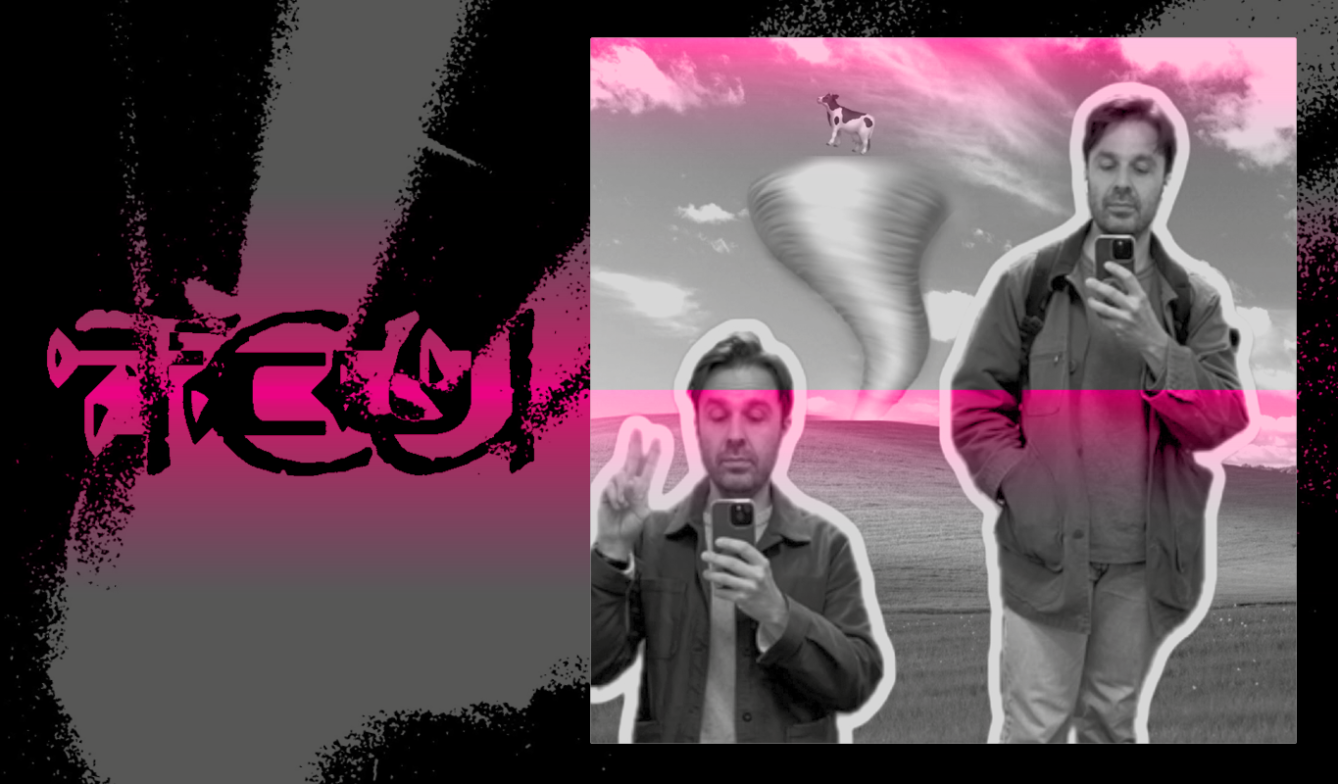
Jernej Markelj is a theorist researching digital politics of agency, algorithmic and AI imaginaries, and online gender. He is a Lecturer in New Media and Digital Culture at the University of Amsterdam, and co-editor of the Vectoral Agents series. His work has been published across various academic journals and para-academic publications. Currently, he is also a visiting scholar at the University of Ljubljana.
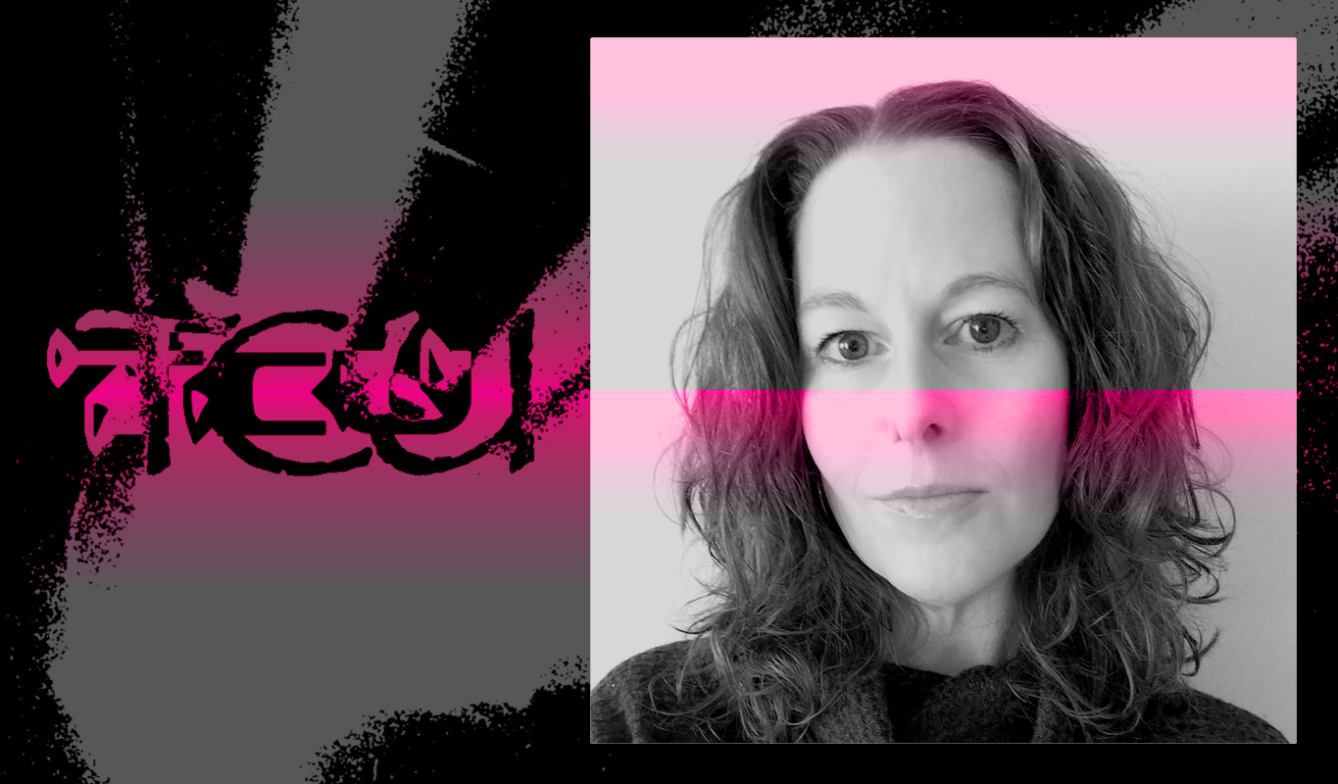
Patricia Reed is a theorist, artist and designer based in Berlin. She is Head of Critical Inquiry Lab (MA) at Design Academy Eindhoven (NL), and is currently a research fellow at the Weibel Institute for Digital Cultures. Recent writings have appeared in Informatics of Domination, Pierre Huyghe: Liminal, Ceremony: Burial of an Undead World, Navigation beyond Vision, and e-flux Journal. A compilation of selected essays entitled Cosmovisiones de otro mundo was released by Holobionte Ediciones (in Spanish) in 2025, and Figuring Planetary Space was recently published by the International Architecture Biennale Rotterdam.
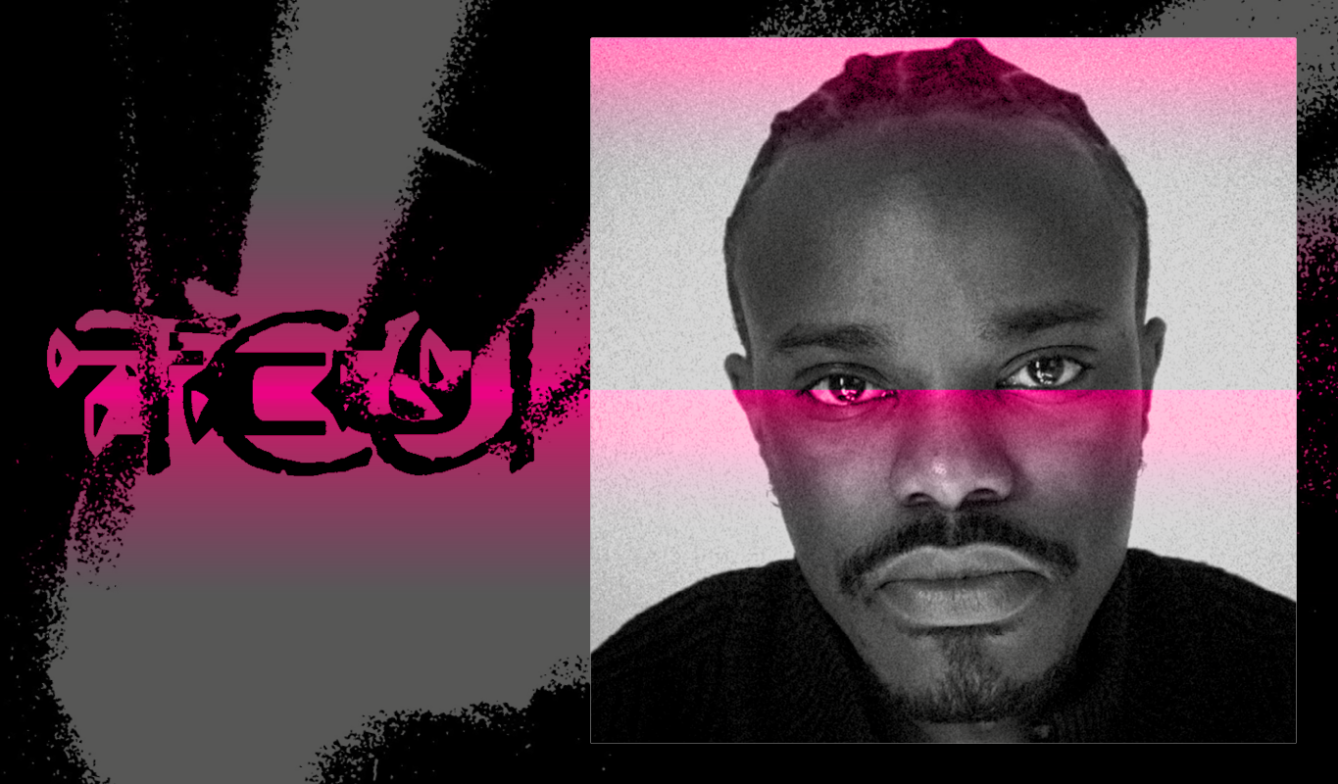
Ruby J. Thelot is a designer, artist and cyberethnographer based in New York. He teaches Design and Media Theory at New York University. He founded the award-winning design studio 13101401 inc and cultural research firm R2S. His work explores human–AI interactions, images, memory and the implications of being-on-line. He has exhibited internationally, including at Melbourne’s National Communication Museum and Toronto’s Interaccess. He writes for Artforum, Spike Art Magazine, Artnews and Dazed, among others; his work has been featured in The New Yorker, Wired and Art in America. His books include Stonemilker (2022), A Cyberarchaeology of Checkpoints (2023) and In Defense of Being-On-Line (2026).
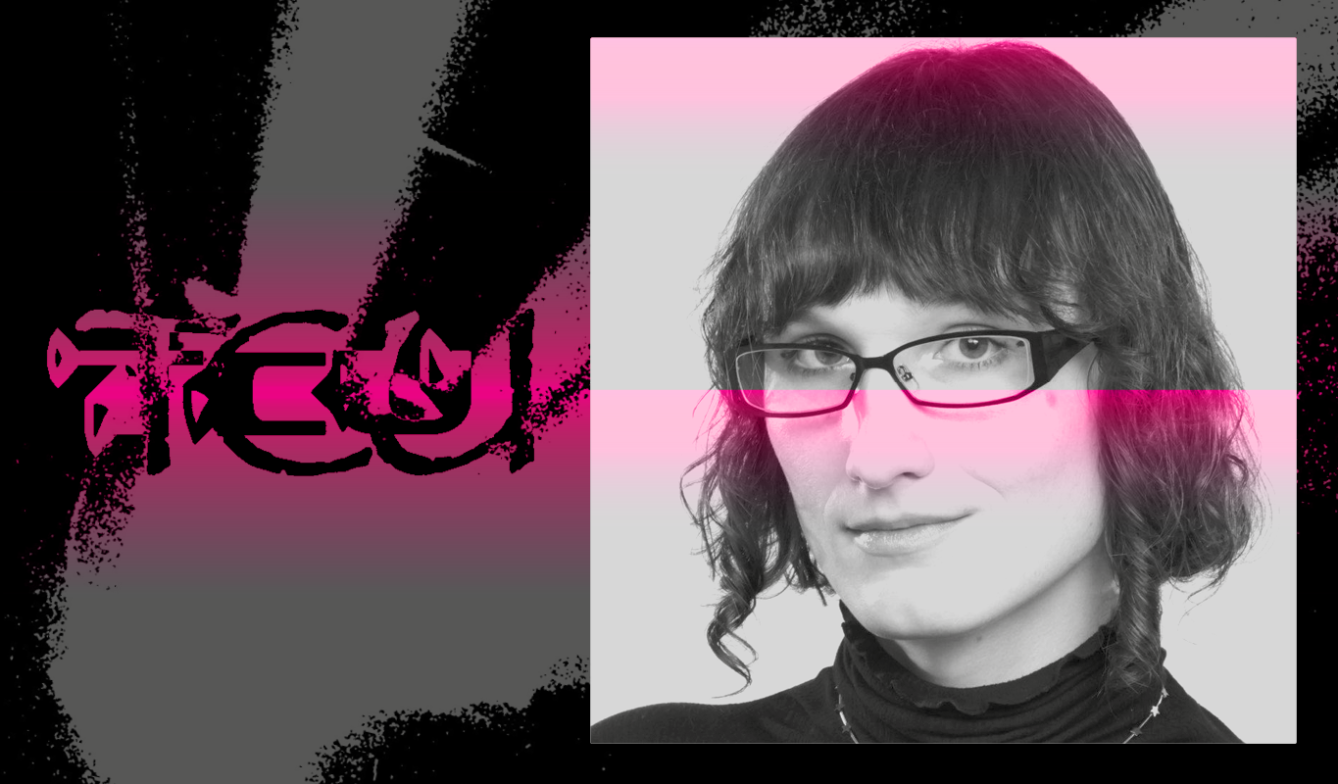
Tisa Troha is an architect, musician and DJ. In both music and architecture, she is interested in the interplay between technology, pop culture and heritage. She has performed at numerous festivals in Slovenia and abroad (MENT, Sonica, Spider, Tresk, etc.) as well as in clubs, where she organises events at the intersection of queer, club and internet culture with the collectives Nimaš Izbire and Ustanova. She is the creator of the speculative architectural project Deep Flow and, since 2021, has been a co-creator of Šum, a journal of art theory and criticism.
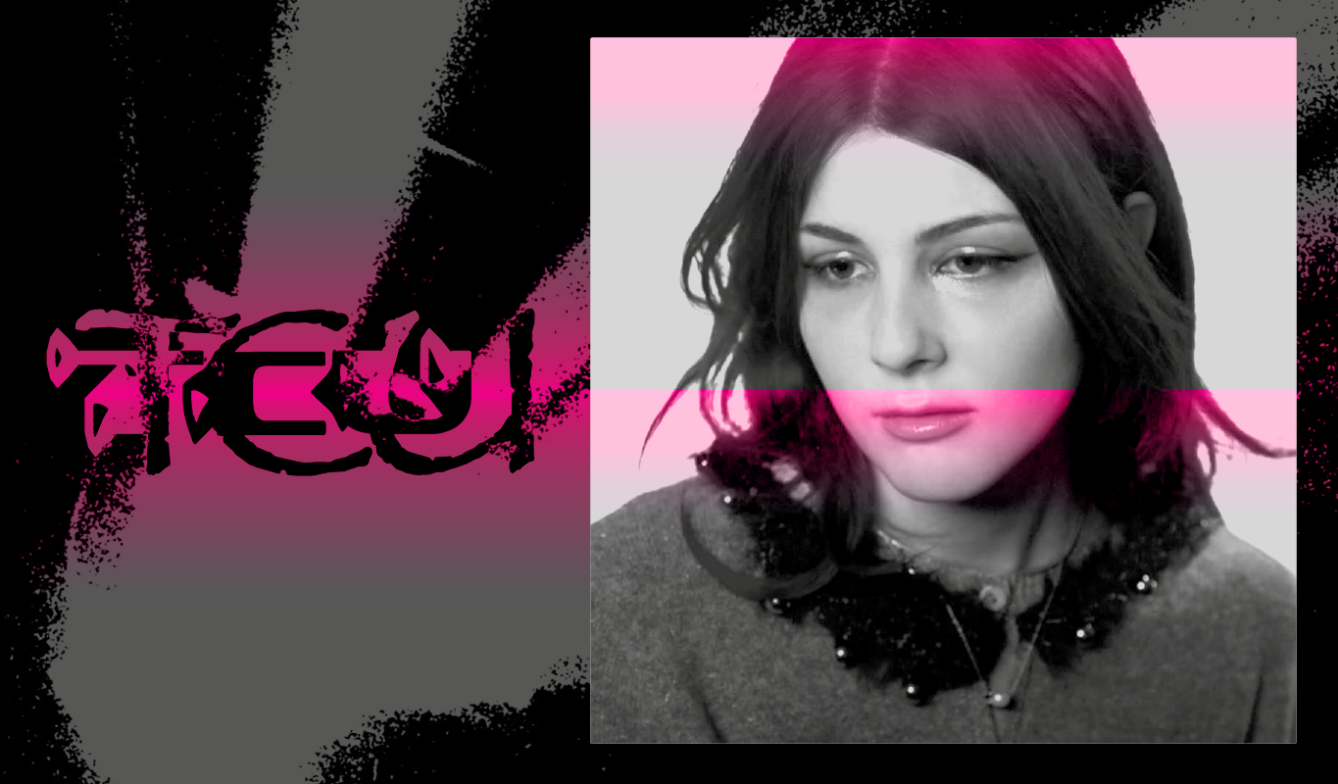
Günseli Yalçınkaya Günseli Yalcinkaya is an artist, writer and researcher based in London, whose work explores how technology shapes myth. Her practice of internet folklore traces how contemporary technologies give rise to new ideologies, digital superstitions and collective fantasies. She is a writer-in-residence at Somerset House Studios (London) and a research fellow at the Weibel Institute for Digital Cultures (Vienna).
THE MODERATORS
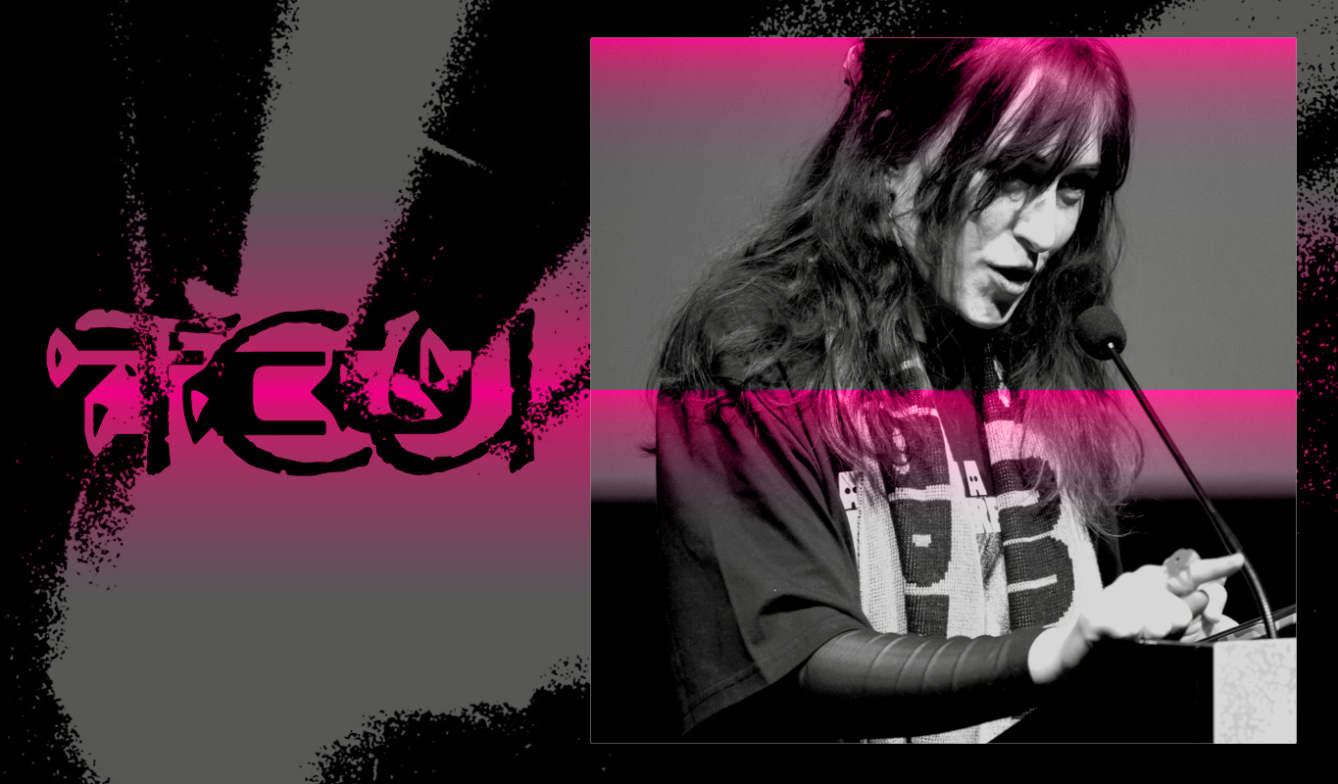
Neja Berger is a PhD student in humanities and social sciences and a young researcher at the Social Communication Research Centre at the Faculty of Social Sciences, University of Ljubljana. She holds an MA in video and new media from the Academy of Fine Arts and Design and a BA in film and television editing from the Academy of Theatre, Radio, Film and Television. She is a member of the editorial board for culture and humanities at Radio Študent, former co-editor of the online magazine Disenz and author of numerous journalistic and scholarly texts.
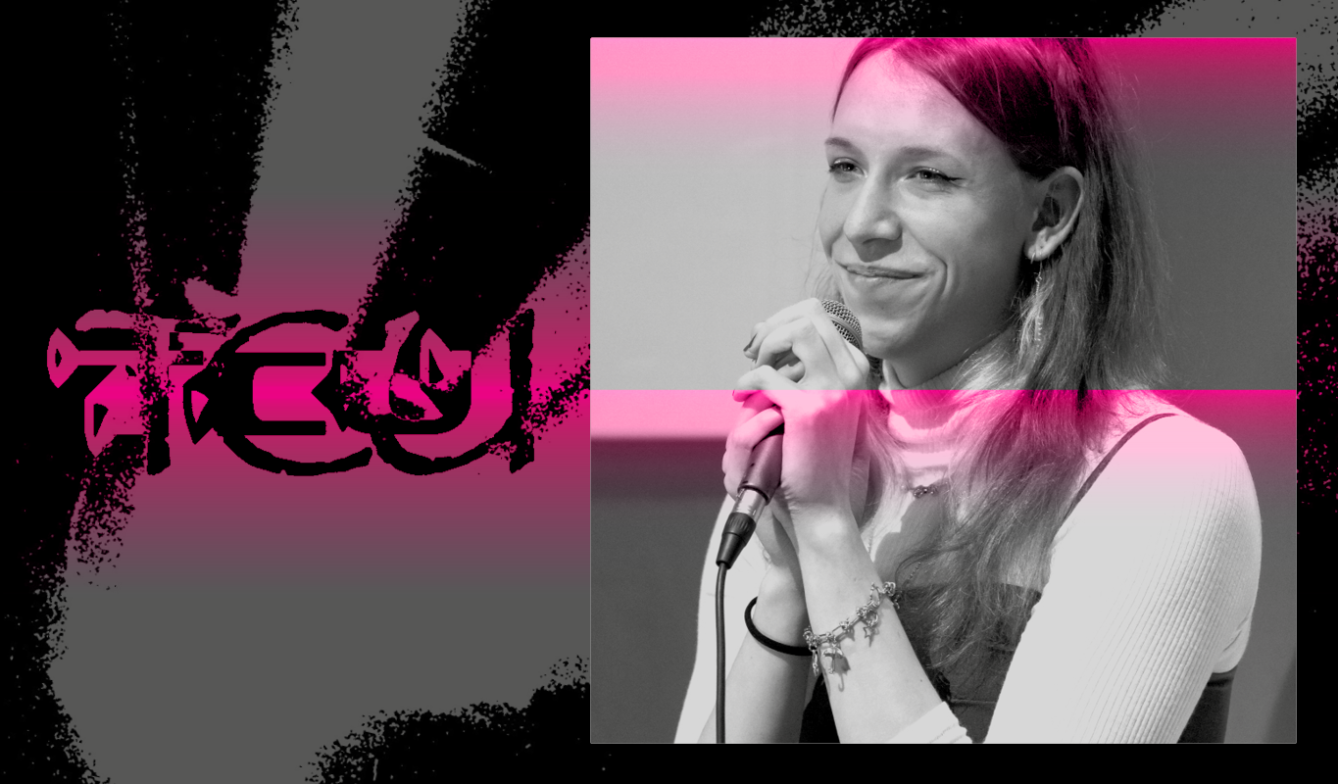
Lea Sande is a researcher, journalist and editor. At Radio Študent, she produces the monthly programme ‘Povratne zanke’ (Feedback Loops), in which she explores internet theory, culture and literature. She co-edits the ‘multithread’ book series and works as a student researcher on the Black Hole Photography project. She is also a part of the VOID+ collective. She works in the field of the sociology of technology, focusing on the role of computing in contemporary capitalism, the development of artificial intelligence and the cultural derivatives of emerging technologies. She is studying the sociology of culture at the Faculty of Arts, University of Ljubljana.
CREDITS
Curated by
Sophie Publig (Weibel Institute), Janez Fakin Janša (Aksioma Institute)
Speakers: Jernej Markelj, Patricia Reed, Ruby J. Thelot, Tisa Troha, Günseli Yalçınkaya
Moderators: Neja Berger, Lea sande
Production:
Aksioma – Institute for Contemporary Art, Ljubljana, 2026
Coproduction:
Kino Šiška Centre for Urban Culture
Partner:
The Weibel Institute for Digital Cultures / The University of Applied Arts Vienna
Supported by:
the Ministry of Culture of the Republic of Slovenia
RELATED EVENTS
M. Beatrice Fazi
Cave Machines: On the Platonic Representation Hypothesis
Lecture
13 October 2026
Moderna galerija, Ljubljana
Mikkel Rørbo, Sophie Publig, Tisa Troha, Lea Sande
Digital Occultism x Foreign Bodies
Book presentation
14 December 2026 at 6PM
Depot, Vienna