Sophie Publig & Mikkel Rørbo
Digital Occultism
Presentation of the second issue of the multithread series
5 May 2026 at 6 PM
Cukrarna Gallery, Ljubljana
How can we think technoculture at a moment when the boundaries between fiction and reality, belief and knowledge are increasingly unstable? Digital Occultism approaches this question through a decisive shift: rather than treating occultism as marginal or reactionary, it considers it as one of the logics structuring contemporary digital environments.
The book develops the argument that the production of reality in technoculture is inseparable from forms of thought historically associated with the esoteric, the magical, and the occult. In this sense, occultism is a constitutive dimension of how digital systems operate.
Tracing developments from early internet cultures to contemporary platforms, the book examines how fictions generate material effects, how politics unfolds as a form of psychological warfare, and how these esoteric infrastructures participate in shaping desire, belief, and collective imaginaries.
The publication features an afterword by Zach Blas, foregrounding an additional layer of esoteric symbolism present and operating within the corporate strata of technoculture.
The presentation is followed by a moderated Q&A with members of the editorial team.
multithread #2
Sophie Publig & Mikkel Rørbo
Digital Occultism
Afterword by Zach Blas
Edited by Lea Sande, Ema Maznik Antić, Marko Bauer, Janez Fakin Janša
EN | 10.5 x 16.7 cm | 116 pp | COLOUR | soft cover
Release date: 5 May 2026
Digital Occultism charts out the history of memetic circulation, situating it within a genealogy of occult logics. It operates as a constitutive force deeply embedded in technoculture and shapes how reality itself is produced. Tracing the emergence of fictions from early internet cultures to contemporary platform environments, it examines how they produce material realities, how politics operate as psychological warfare, and how desires are engineered through algorithmic feedback. In the afterword, Zach Blas takes us in and spits us out through the inverted, heretical vision of CULTUS, into the underside, rendering visible occult epistemologies operative within it.
The authors
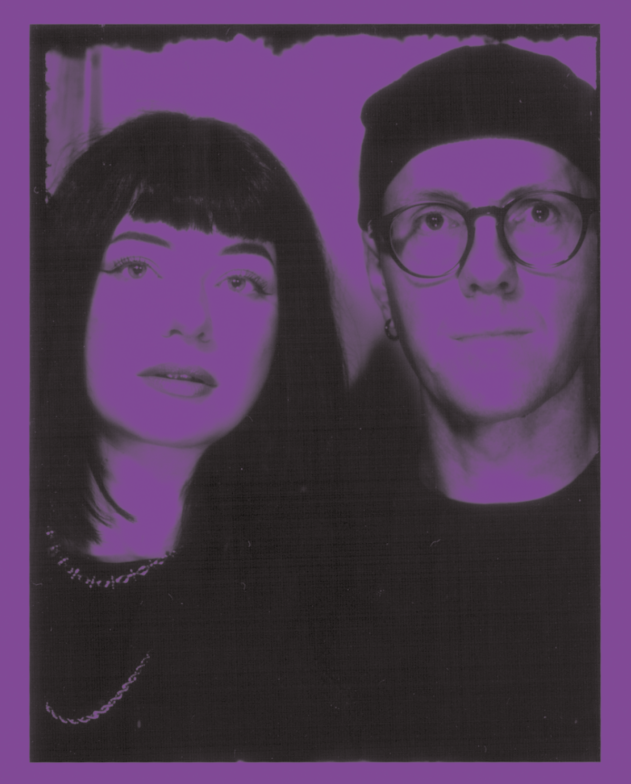
Sophie Publig is an internet archaeologist exploring digital ecosystems. Based at the Weibel Institute for Digital Cultures at the University of Applied Arts Vienna, her research and teaching move across critical posthumanism, aesthetics, and digital cultures. She is analyzing online artifacts from meme ecologies to networked subjectivities to internet folklore.
Mikkel Rørbo is an interdisciplinary researcher and producer of cultural detritus. He is currently a researcher at the Weibel Institute for Digital Cultures, University of Applied Arts Vienna, where his work focuses on questions of difference, desire and abstraction. His recent work has concretely examined how these themes connected to machinic cognition and computation as well as capital. He teaches on digital occultism and its place in technopolitical culture.
Both are based at the Weibel Institute for Digital Cultures, Vienna.
CREDITS
Production of the event: Aksioma – Institute for Contemporary Art, Ljubljana, 2026
In collaboration with Cukrarna Gallery
Supported by the Ministry of Culture of the Republic of Slovenia and the Austrian Cultural Forum
The project is co-financed by the Republic of Slovenia and the European Union from the European Social Fund Plus (ESF+)