duckrabbit.tv
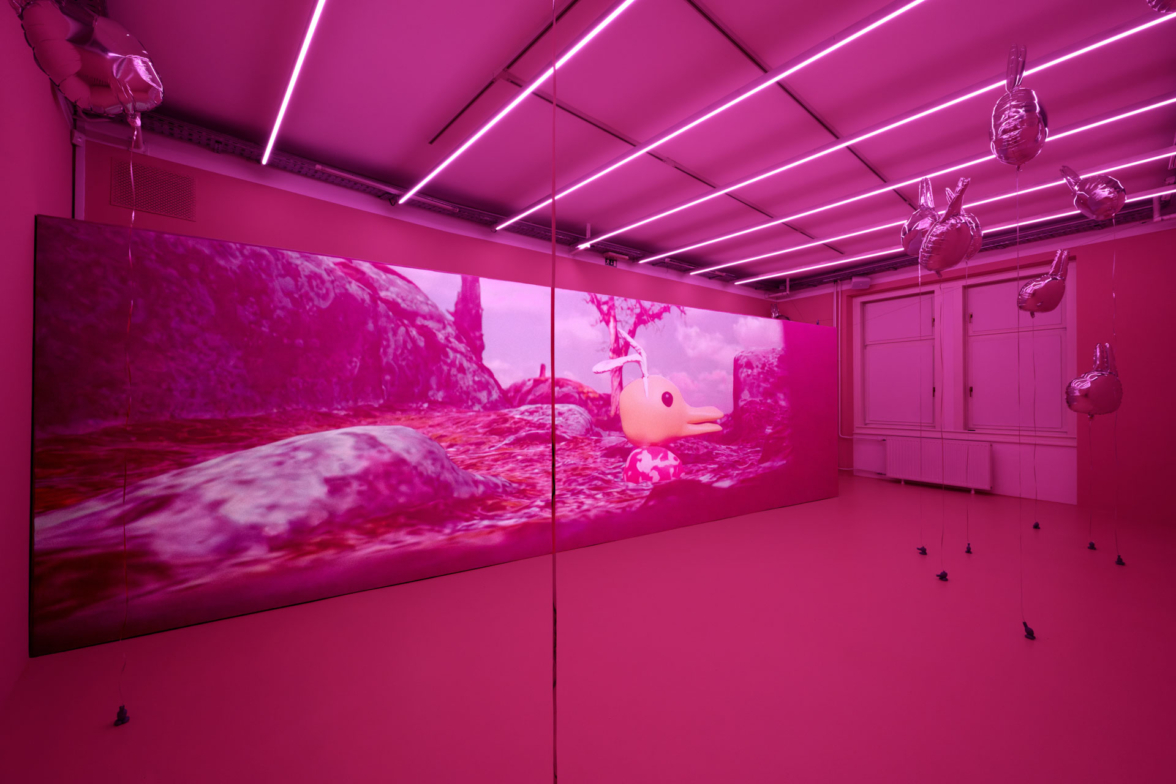
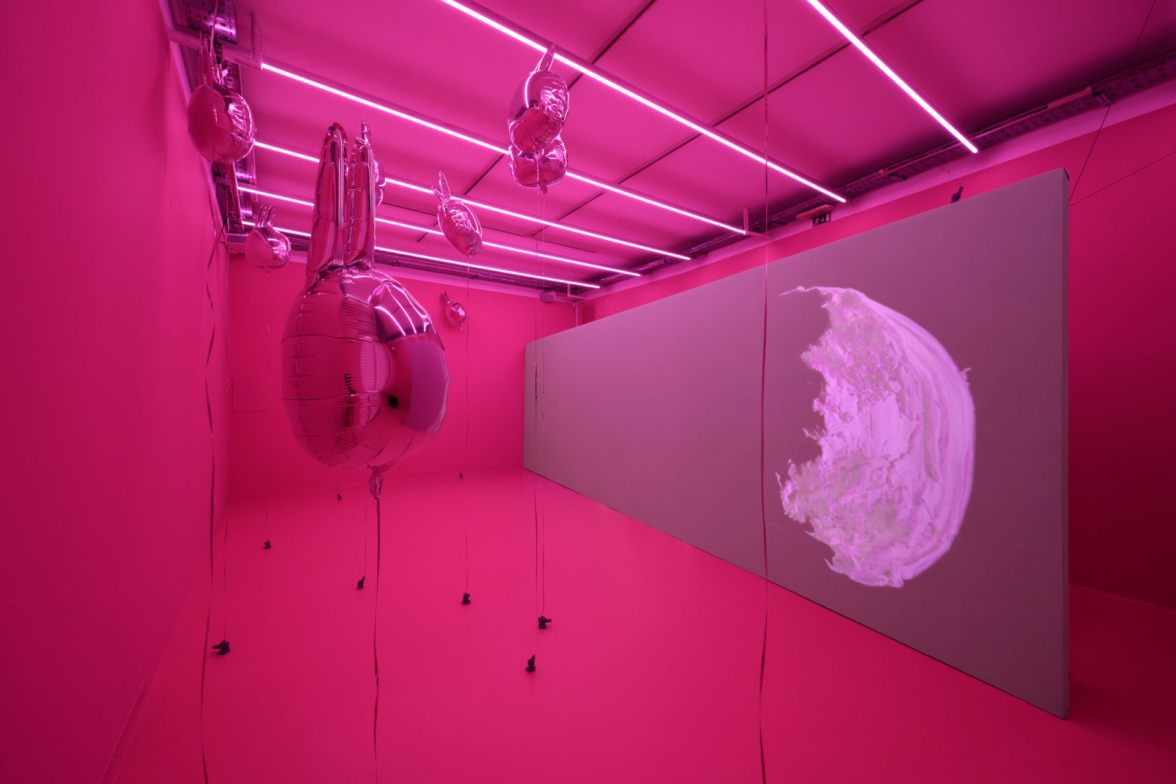
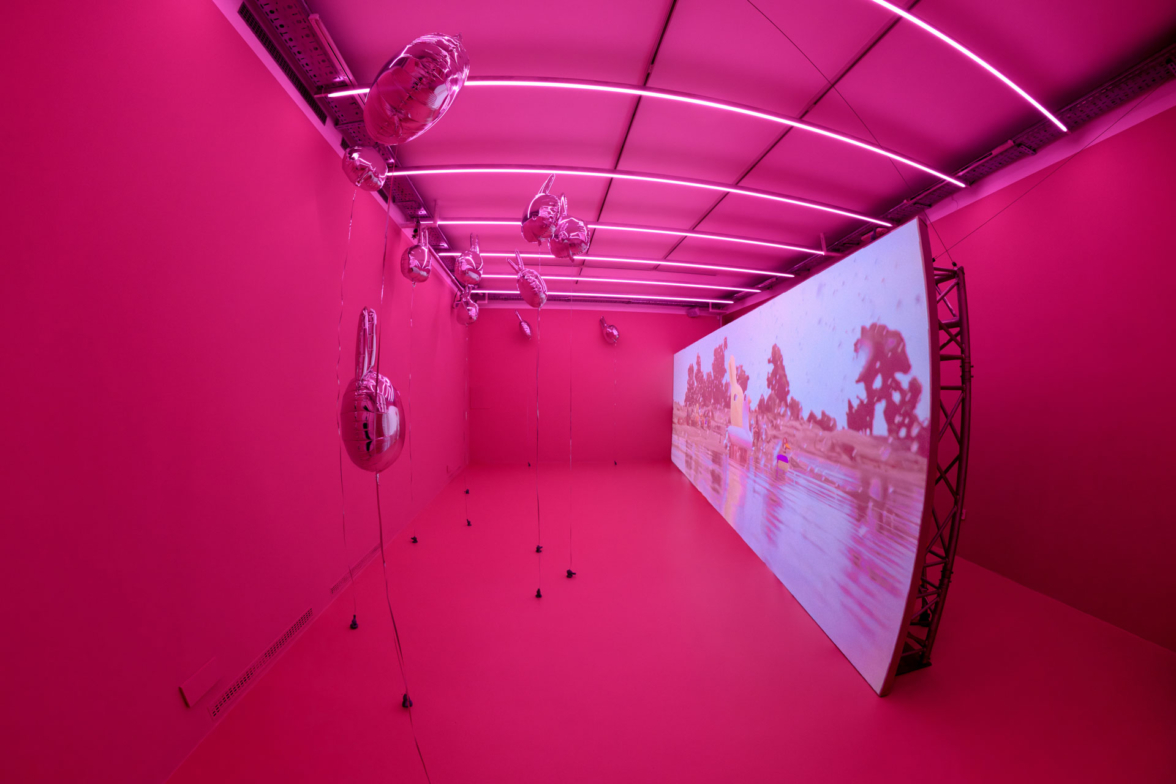
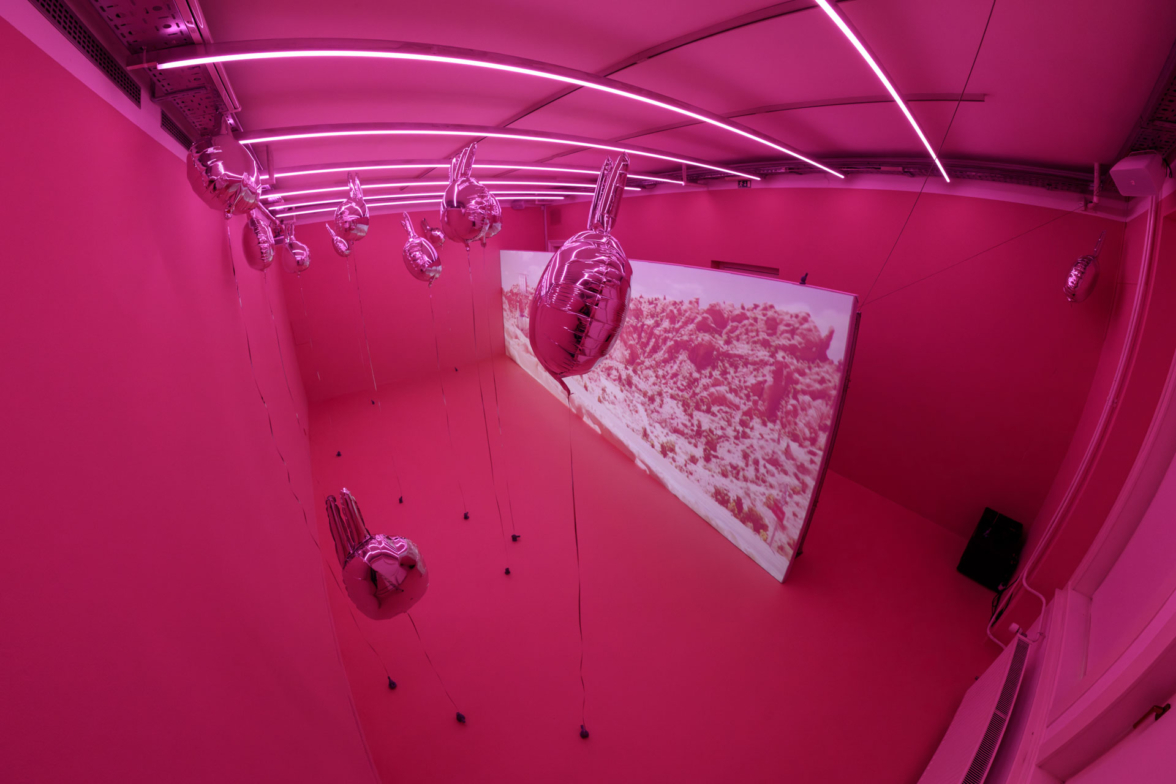
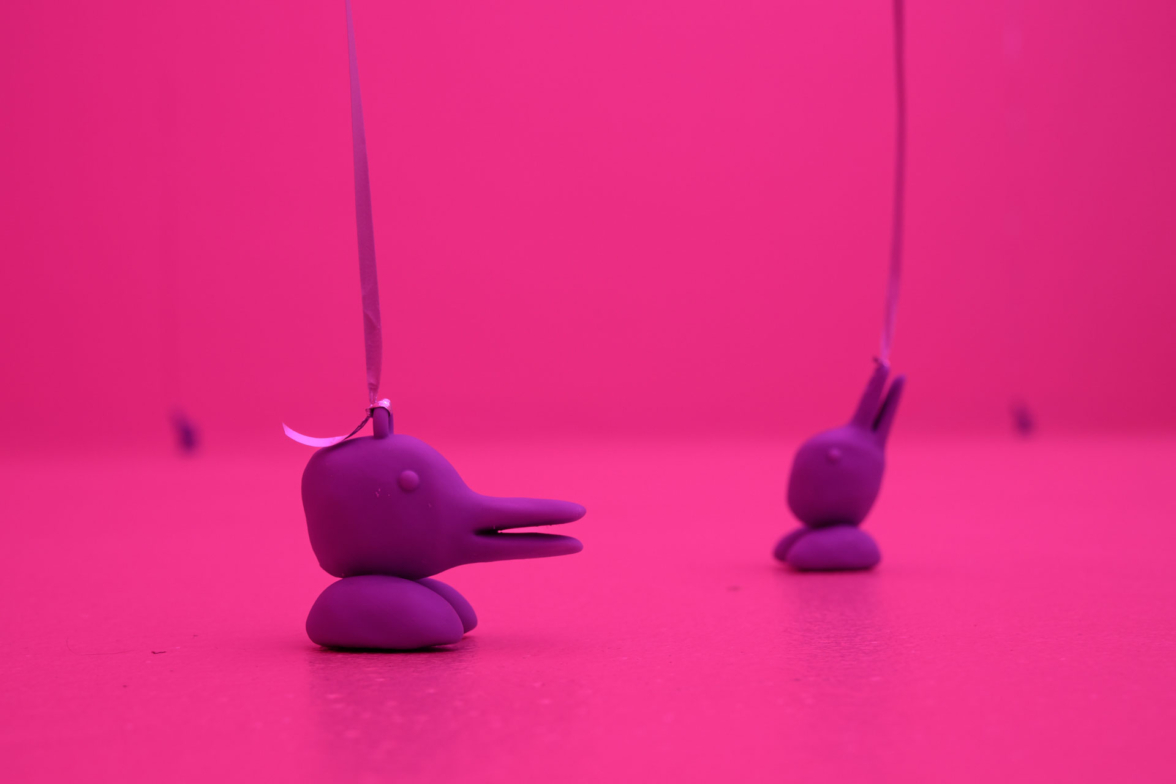
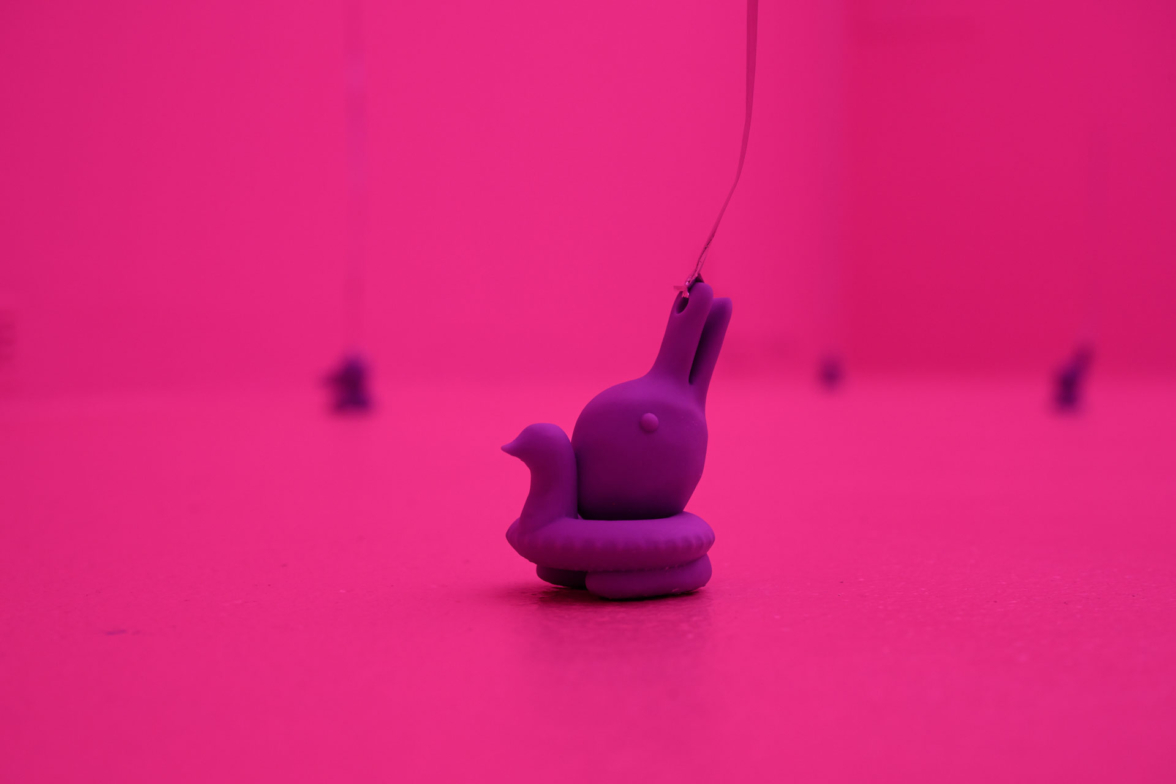
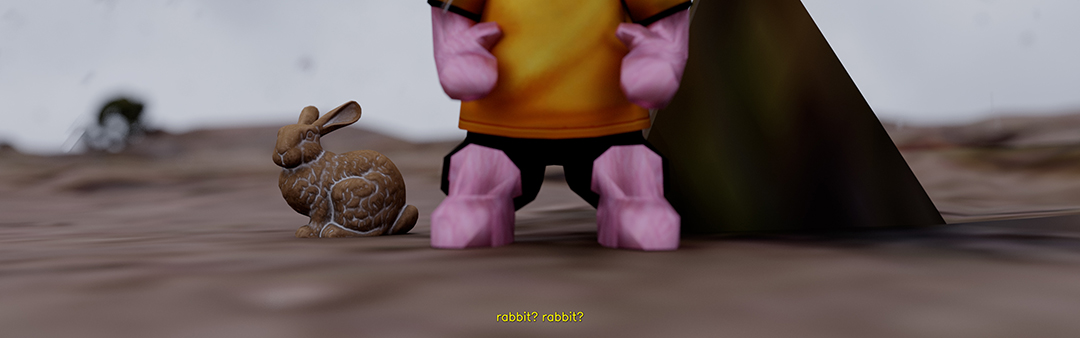
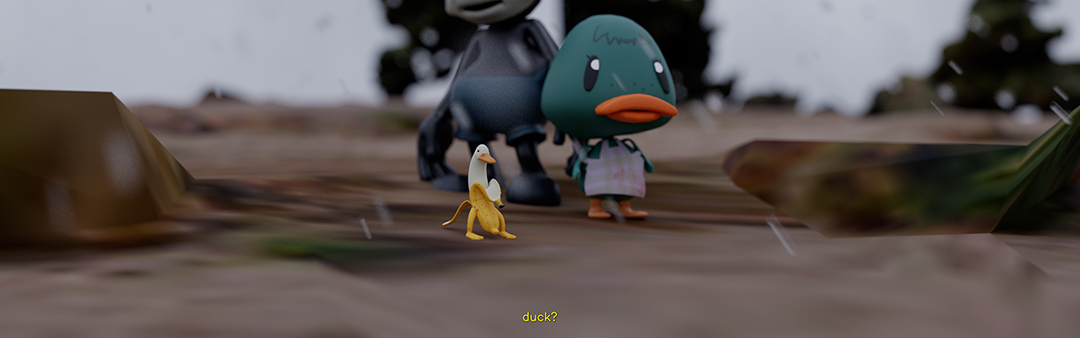
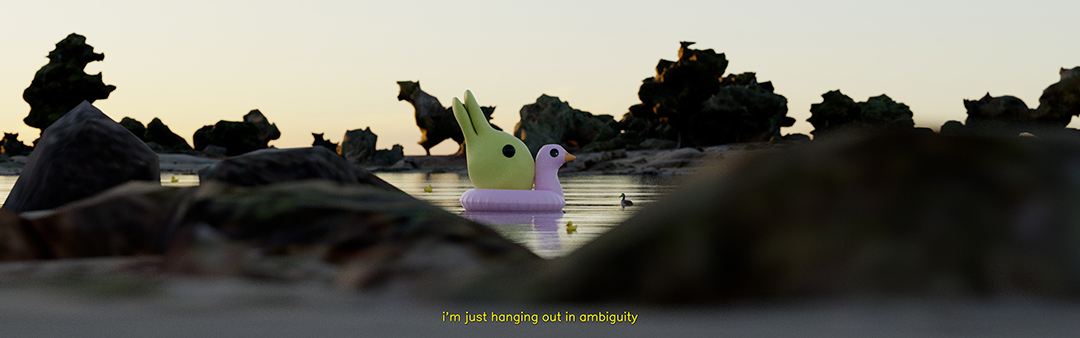
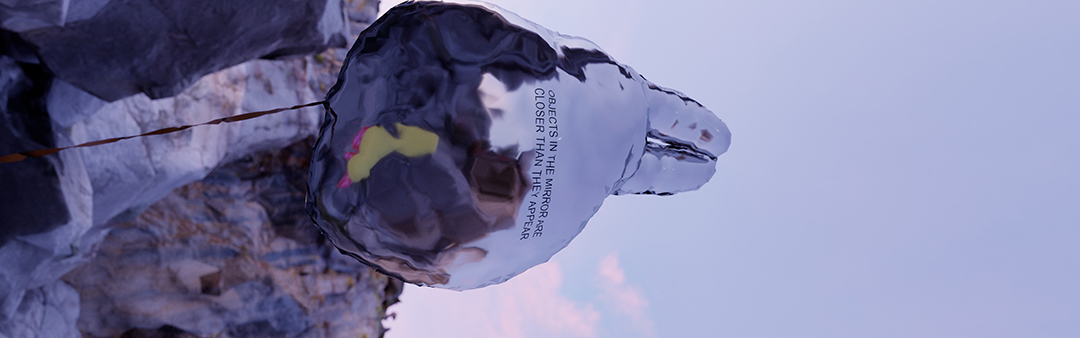
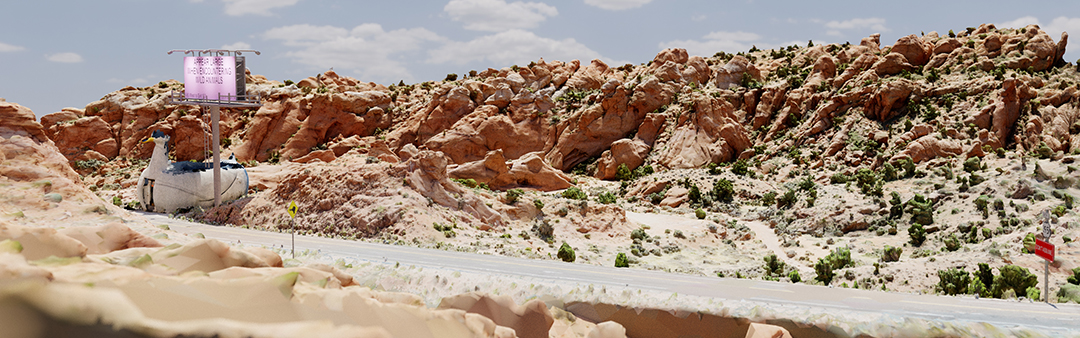
duckrabbit.tv is a video installation that explores the political implications of contemporary vision technologies, questioning how computational photography, datasets, and rendered imagery often act as substitutes for what is real. The work centres on a confused and curious queer character: a digital reincarnation of the 1892 duck-rabbit optical illusion, popularized by philosopher Ludwig Wittgenstein to illustrate the ambiguity of perception. Now revived in the age of synthetic vision, this character becomes a vessel through which the project navigates the trials and tribulations of self-discovery and CGI production.
Simone C Niquille’s playful yet critical approach exposes the computational ways of seeing that increasingly govern how reality is constructed. Visual meaning is extracted through pattern recognition, object classification, and algorithmic inference – processes in which images, generated by machines for machines, no longer refer back to physical referents but instead produce their own regimes of truth. The rendered image becomes a tool of classification rather than representation, designed to fit within the expectations of training data and automated detection systems.
As the protagonist stumbles through a “rendered reality,” where perceptual ambiguity collides with the rigid logic of machine vision, the viewer is invited to reflect on the difference between capturing and compositing ourselves and our surroundings. duckrabbit.tv offers a humorous but unsettling meditation on inhabiting an image world regulated by digital and algorithmic operations, and its social and political implications for non-conforming subjects.
Supported by the Swiss Arts Council Pro Helvetia.